Ensuring safety and compliance for EV and Energy Storage Systems
Mexico is undergoing a radical industrial transformation, positioning itself as the primary electrification hub for the North American market. With the surge of "Nearshoring," global EV and ESS battery suppliers are flocking to states like Nuevo León, Coahuila, and Puebla to establish mega-factories. This shift is driven by the United States-Mexico-Canada Agreement (USMCA), which incentivizes regional battery production and supply chain integration.
As major automotive players like Tesla, BMW, and General Motors announce significant EV investments in Mexico, the demand for high-precision battery testing equipment has reached an all-time high. Local factories must adhere to rigorous international standards such as UL 2580, SAE J2464, and UN 38.3 to ensure the safety and reliability of lithium-ion cells and packs.
Send Inquiry Now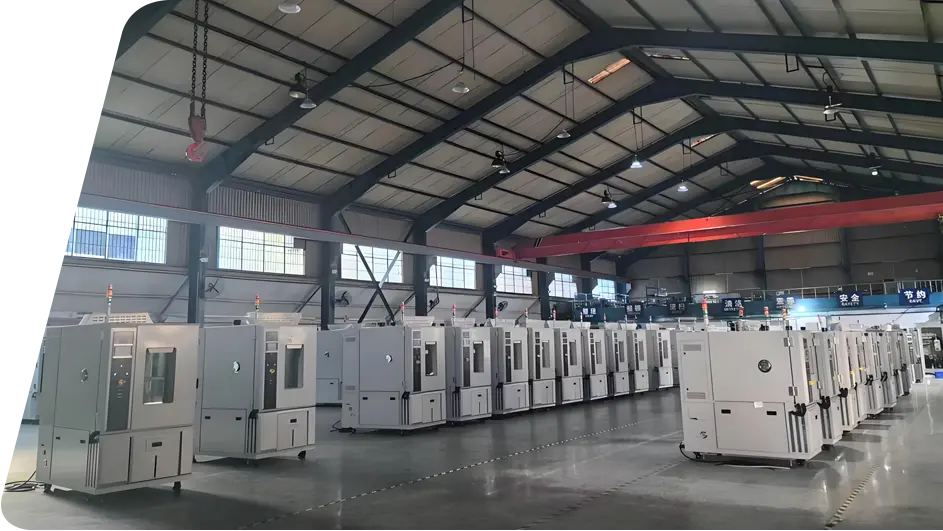
Mexico's established automotive Tier-1 and Tier-2 supply chain is rapidly pivoting to EV components, requiring localized safety validation.
Industrial parks in Queretaro and Monterrey are integrating Energy Storage Systems (ESS) to stabilize the grid and utilize solar energy.
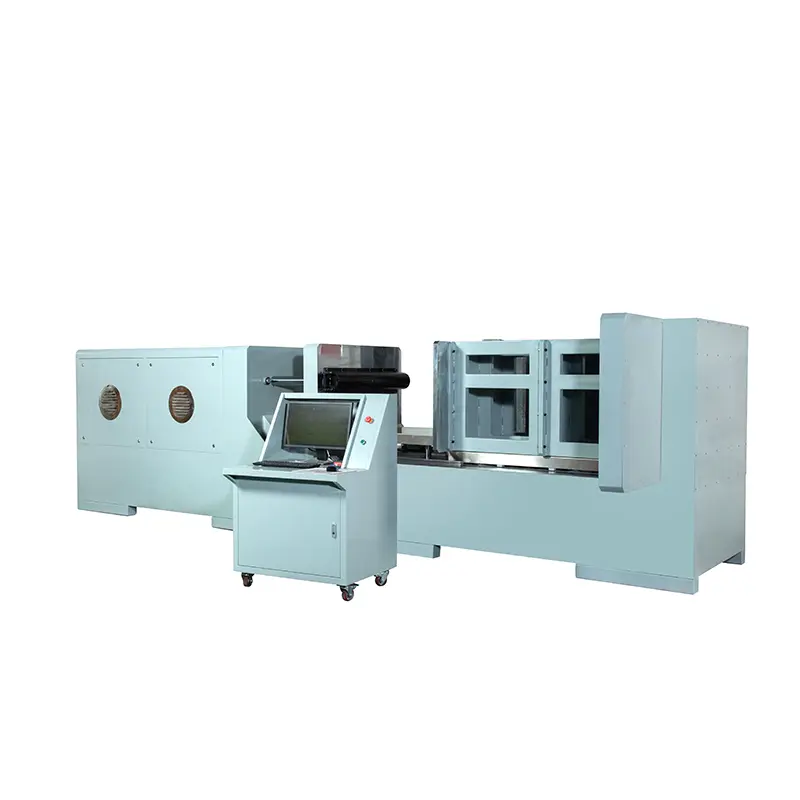
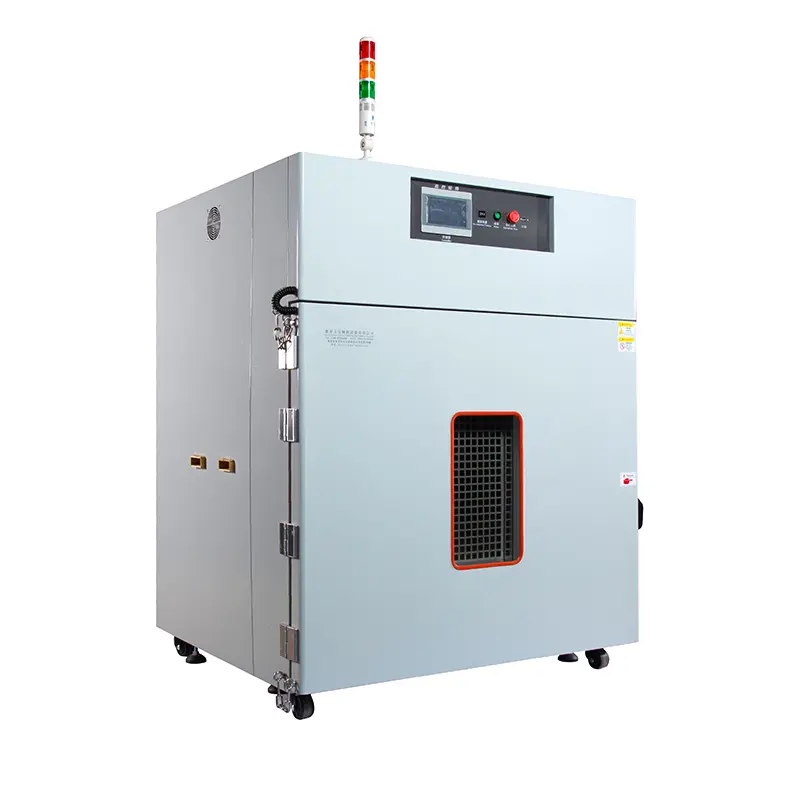
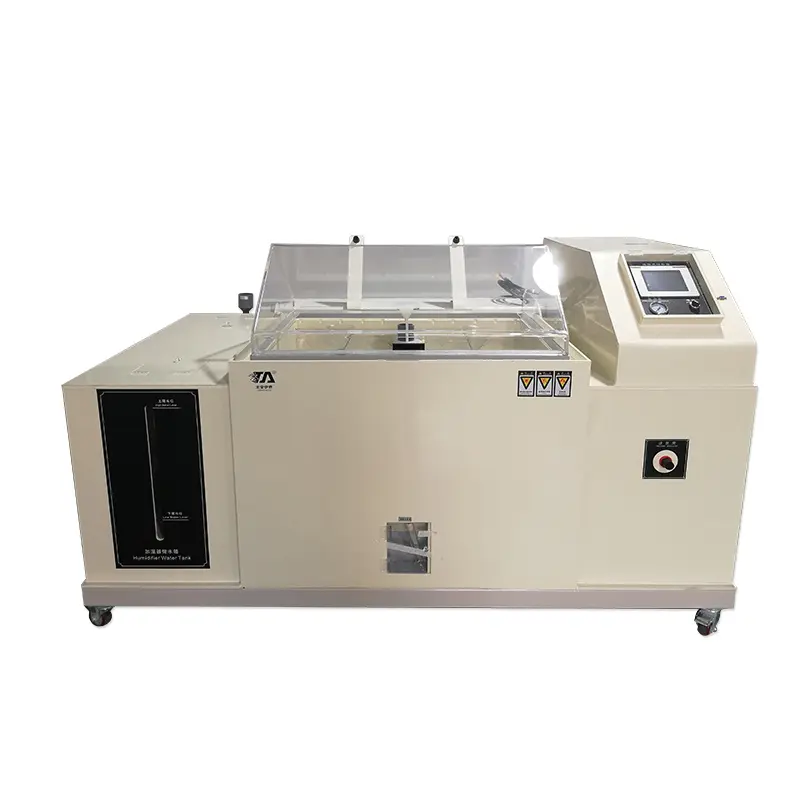
Strict NOM and international compliance require chambers capable of simulating extreme thermal runaway and mechanical impact.
The transition toward electrification in Mexico is not just about assembly; it's about innovation and safety validation. Here are the core trends shaping the industry:
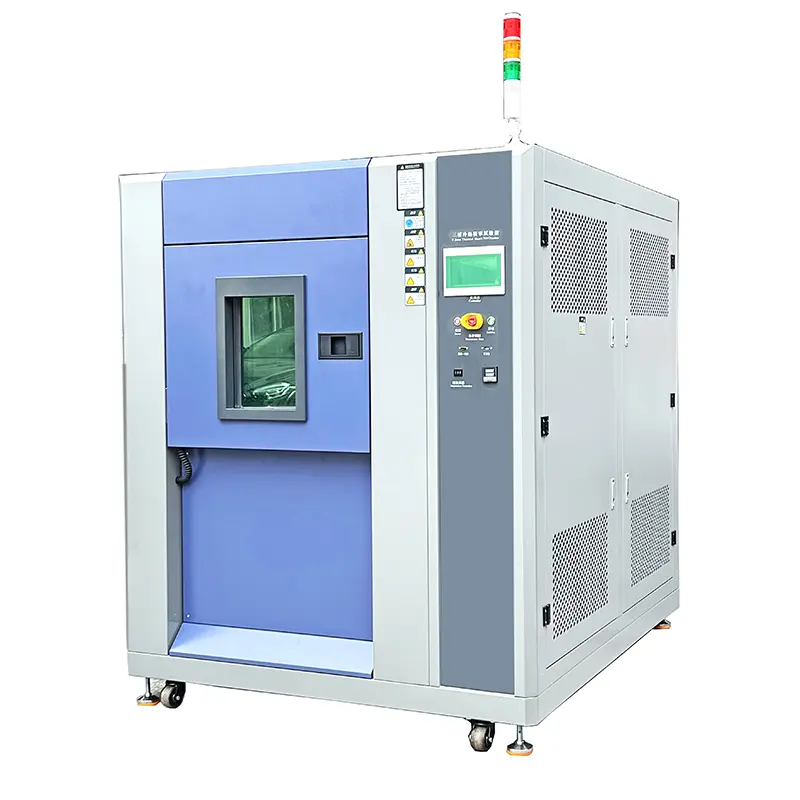
As EV architectures move from 400V to 800V, the requirements for insulation and short-circuit testing have become significantly more stringent. Suppliers in Mexico are investing in advanced testing benches that can simulate high-rate discharge and extreme thermal cycles.
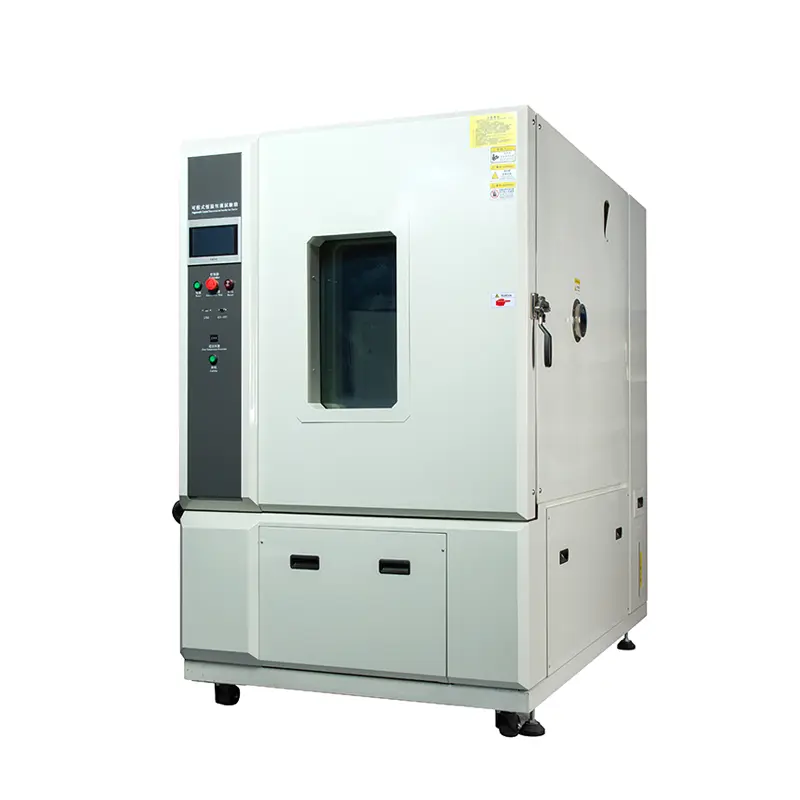
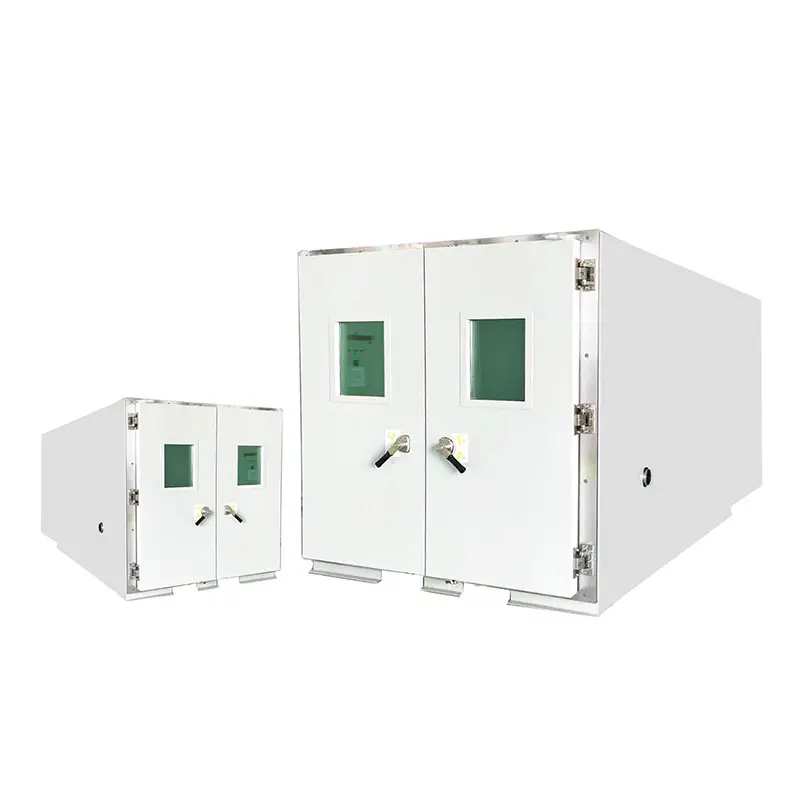
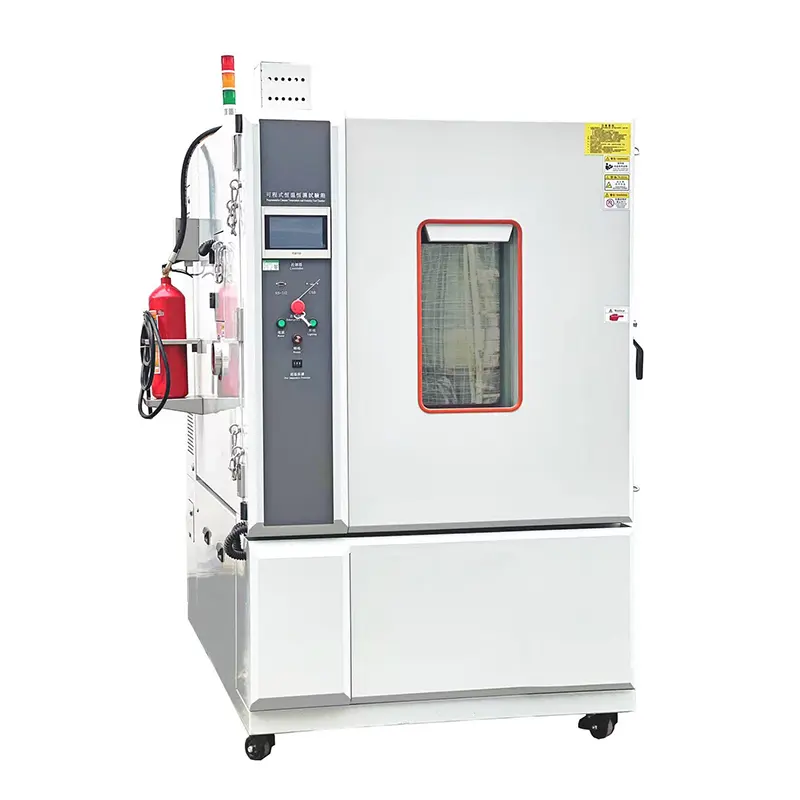
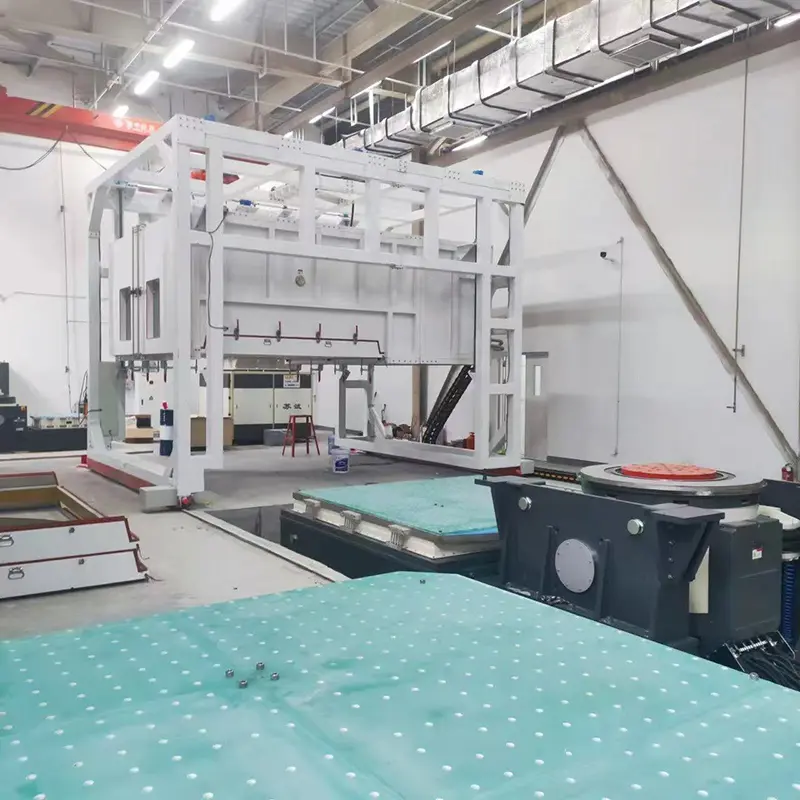
From the arid heat of the Sonoran Desert to the humid coastal regions, batteries must perform reliably. This necessitates Walk-in Constant Temperature and Humidity Chambers that can house entire battery packs for weeks of continuous environmental stress testing.
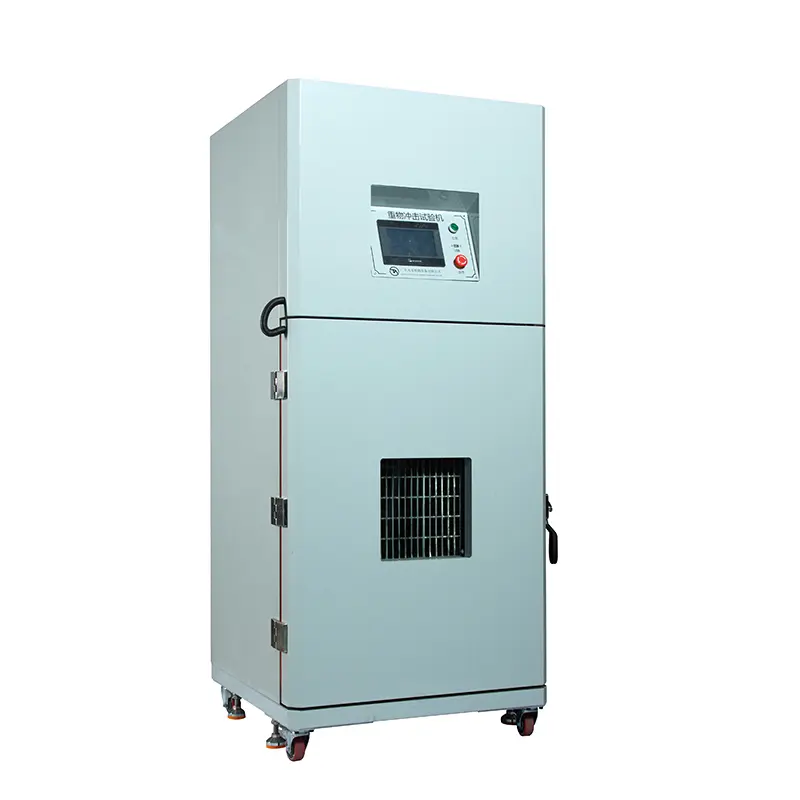
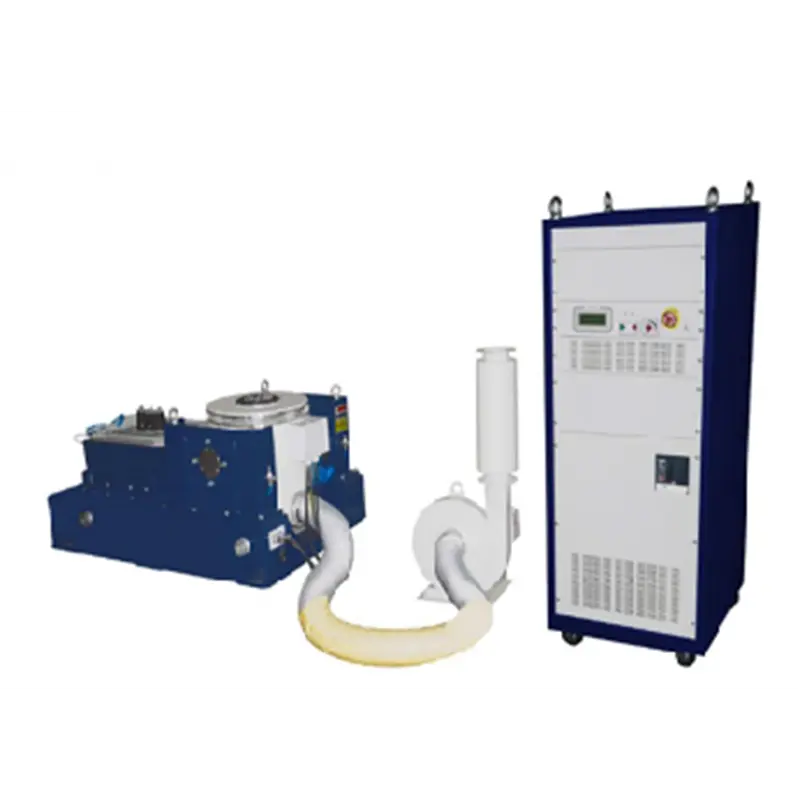
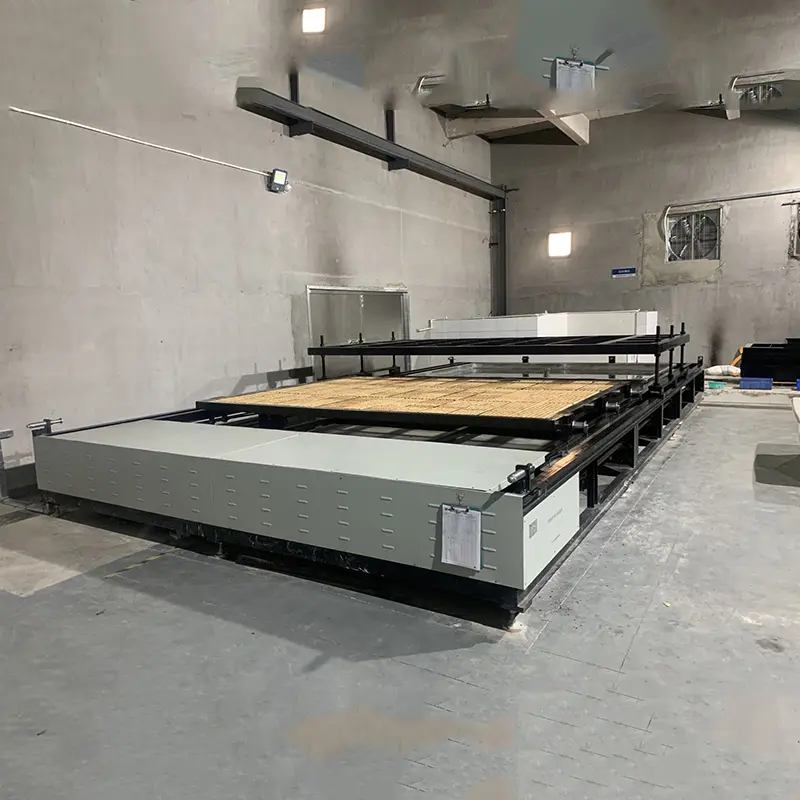
With Mexico's increasing focus on renewable energy, utility-scale ESS are being deployed. These systems require External Fire Testing and Heavy Impact Testing to prevent catastrophic failures in residential or industrial areas.
Taian Intelligent Equipment (Guangdong) Co., Ltd., situated in Qiaotou, Dongguan, was founded on March 10, 2017. As a leading national high-tech enterprise, we specialize in environmental and safety test equipment. Our years of development have enabled us to provide comprehensive solutions for global EV and ESS manufacturers, solving traditional manual testing limitations like slow efficiency and safety hazards.
Our company integrates R&D, production, sales, and service to comprehensively solve problems such as slow efficiency, large errors, and safety hazards in traditional manual testing.
Tai'an focuses on R&D to solve low efficiency and errors common in manual detection, ensuring high-throughput for Mexico's busy production lines.
Our equipment features technological, intelligent, and digital transformation, making missed detections and installation errors a thing of the past.
Every unit undergoes strict performance testing before shipment to ensure high precision and stable operation in demanding factory environments.
Scenario A: EV Manufacturing in Monterrey
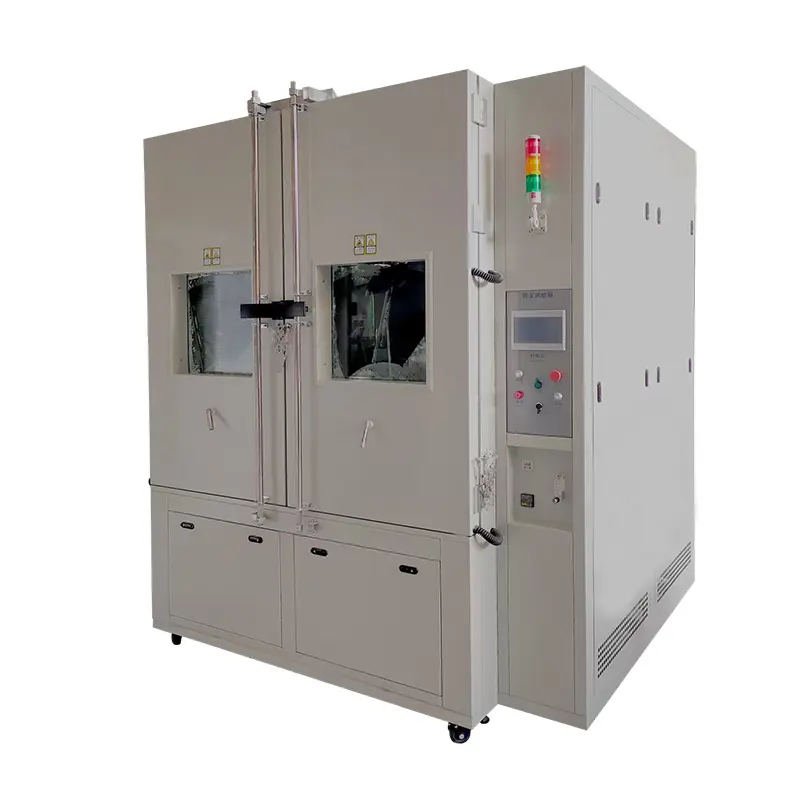
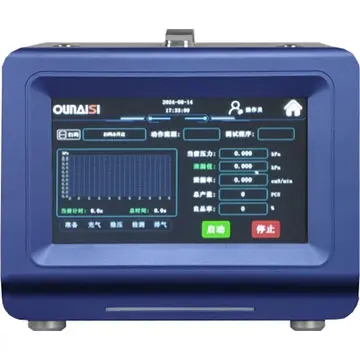
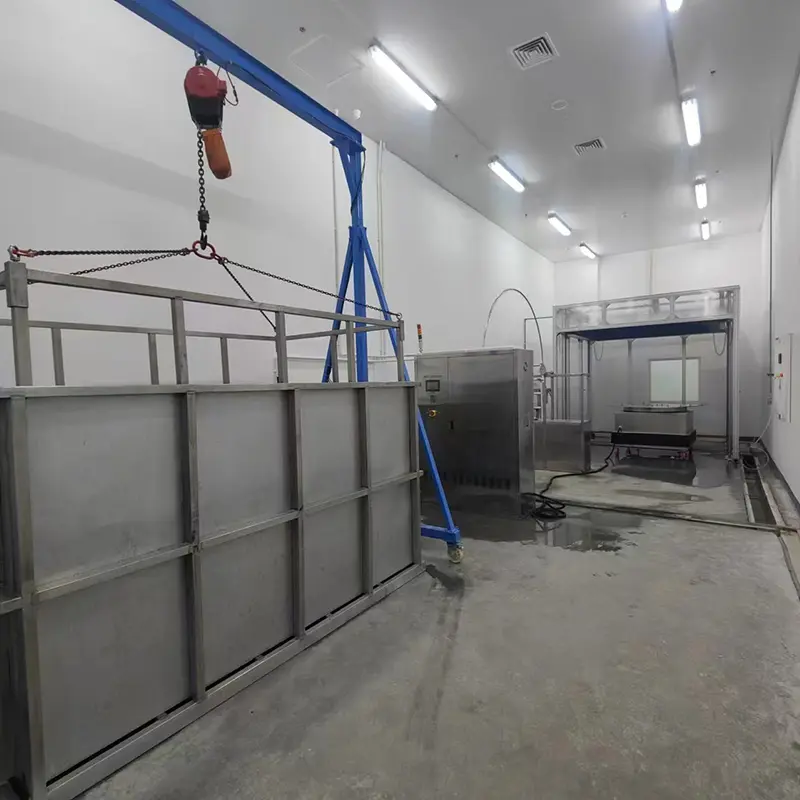
Factories producing liquid-cooled battery packs for electric trucks utilize our Battery Washing Testers to ensure ingress protection (IPX7/IPX9K) against harsh road conditions and pressure washing.
Scenario B: Solar Farm ESS in Sonora
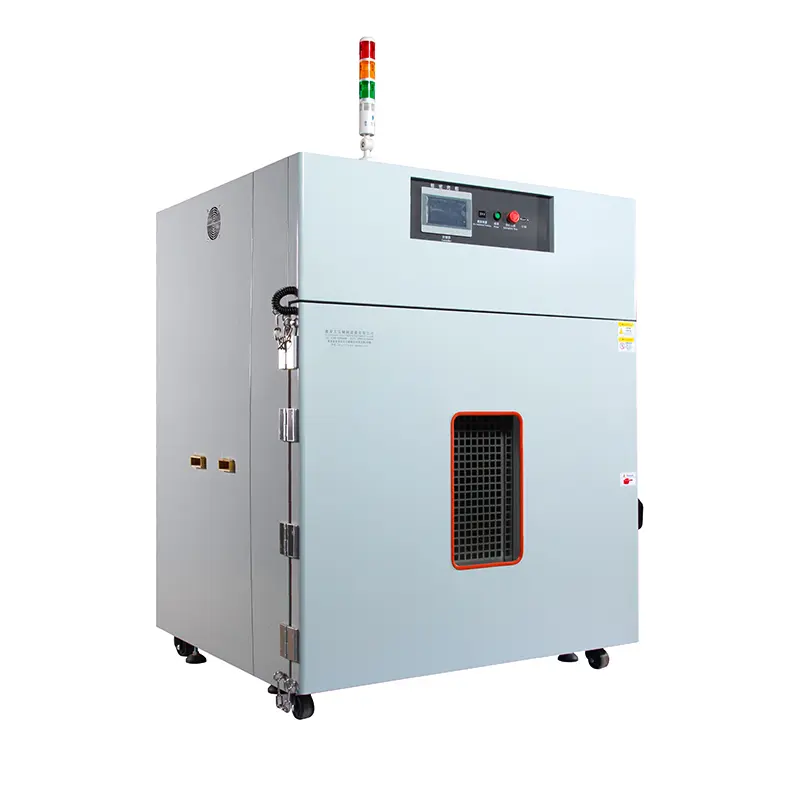
To handle the extreme temperature fluctuations of the desert, ESS providers use our Walk-in Constant Temperature Chambers to simulate decades of environmental wear in just a few weeks.
Scenario C: R&D Centers in Mexico City
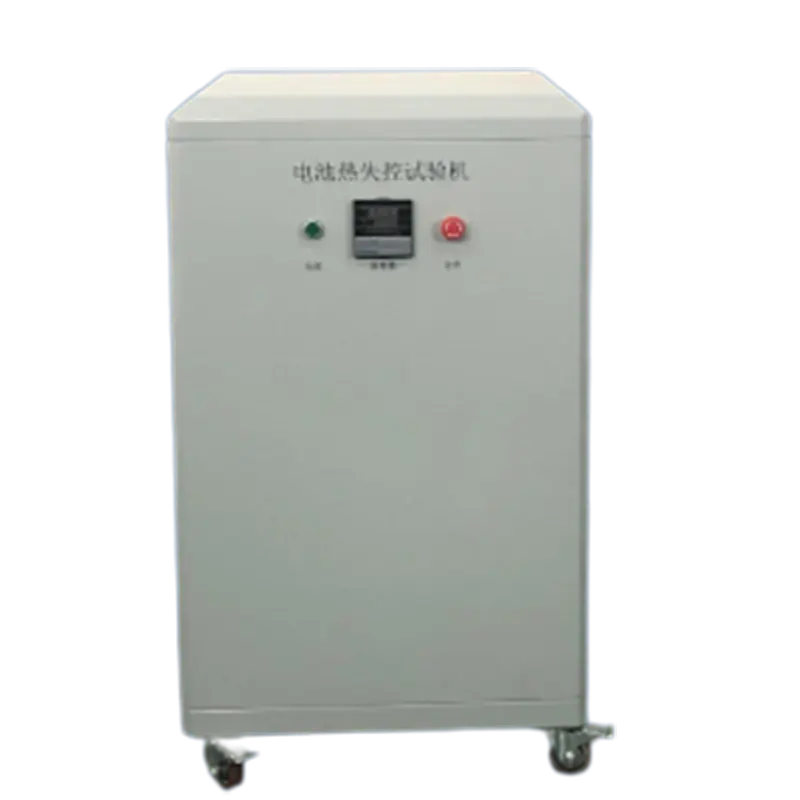
New lithium-ion chemistry labs utilize our Thermal Runaway Testing Machines to capture high-speed video and temperature data during controlled nail penetration tests, facilitating the design of safer battery cells.
Precision instruments for every stage of battery validation