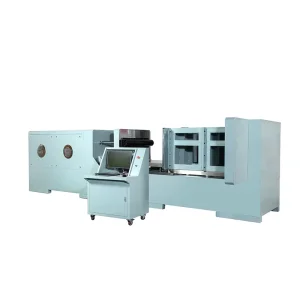
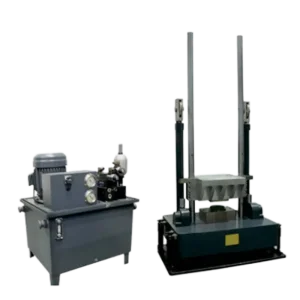
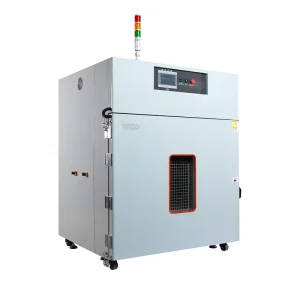
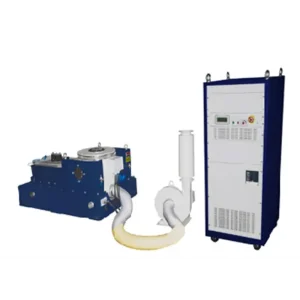
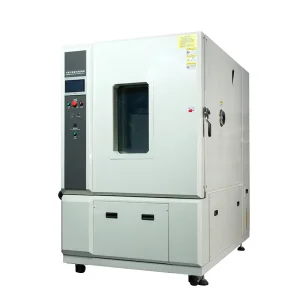
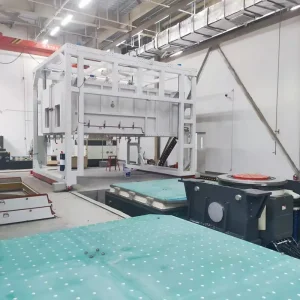
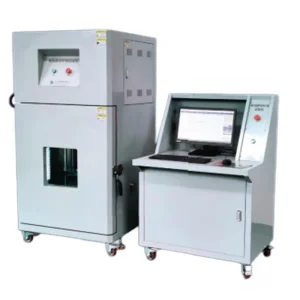
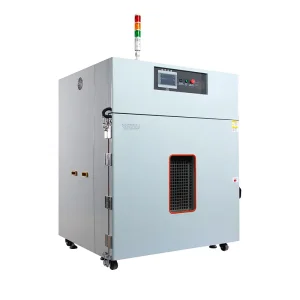
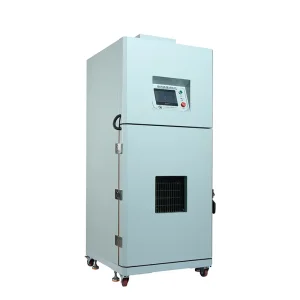
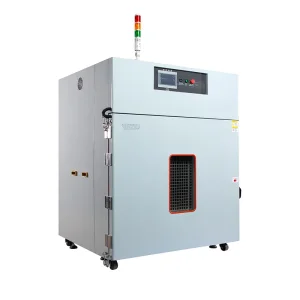
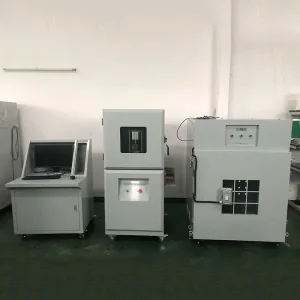
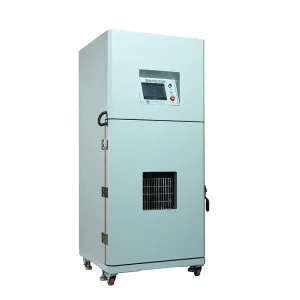
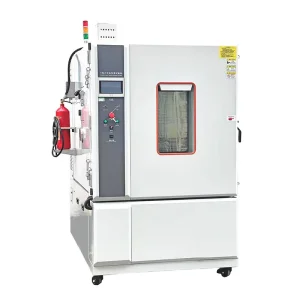
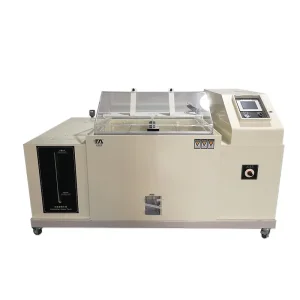
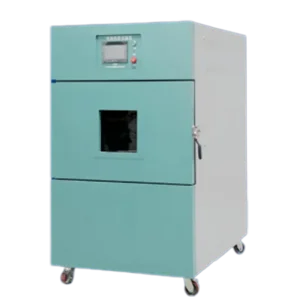
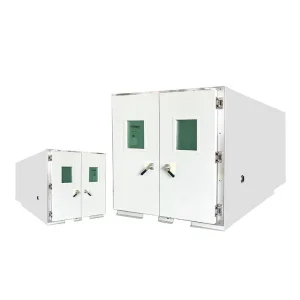
In the contemporary landscape of high-performance manufacturing, the Impact Test Device With Adjustable Force serves as a critical pillar for quality assurance. Whether evaluating consumer electronics, automotive battery safety, or aerospace materials, the ability to calibrate impact forces with precision—often ranging from micro-joules to heavy-duty kilojoule impacts—is essential. Our solutions integrate advanced sensor feedback loops with high-velocity actuators, ensuring every test mimics real-world scenarios while strictly adhering to IEC, UL, and GB/T international standards.
The global transition toward green energy has shifted the focus of impact testing from traditional mechanical stress analysis to comprehensive
Battery Safety Integrity Testing. Manufacturers worldwide are facing stringent regulatory requirements regarding thermal runaway, penetration, and crushing forces. Our adjustable force testing devices provide:
- Versatility: Seamless switching between low-energy sensitivity tests and high-impact structural integrity tests.
- Data Integrity: IoT-enabled logging that provides granular "Information Gain" for R&D teams, reducing failure analysis time.
- Market Reach: Serving key automotive hubs, we ensure compliance in EU (CE), North America (UL), and Asia-Pacific markets.
Testing is not one-size-fits-all. Our localized support ensures the device is tailored to the specific environment:
- EV Battery Pack Labs: Testing for puncture resistance under specific force vectors to prevent short circuits.
- Aerospace Component Validation: Using high-frequency impact to analyze material fatigue in fluctuating atmospheric pressures.
- Consumer Electronics: Drop-test simulations with adjustable velocity to ensure device durability in the hands of the end-user.
The future of impact testing lies in
AI-Driven Predictive Analysis. We are evolving our equipment to include machine learning modules that interpret fracture patterns in real-time. Our roadmap includes:
- Transitioning to carbon-neutral testing environments.
- Integrating Blockchain for immutable test certification, ensuring third-party auditability.
- Adopting non-contact optical deformation sensors to complement traditional force gauges.