
France has positioned itself as a cornerstone of the European Union's "Battery Alliance," aiming for strategic autonomy in the production of Electric Vehicle (EV) and Energy Storage Systems (ESS). The northern region, now widely recognized as "Battery Valley" (Hauts-de-France), is home to massive Giga-factories by industry leaders like ACC (Automotive Cells Company), Envision AESC, and Verkor. As France accelerates its transition toward a carbon-neutral economy by 2050, the demand for high-performance lithium-ion cells and robust ESS infrastructure has reached unprecedented levels.
This industrial boom is not just about production; it is about reliability and safety. With stringent EU regulations like the new EU Battery Regulation focusing on carbon footprint and durability, testing equipment has become the "unsung hero" of the French battery ecosystem. From the automotive hubs in Sochaux to the renewable energy storage projects in Provence, the need for precision instruments to validate battery safety under extreme conditions is paramount.
"See you at a green world!"
Decades of Trusted Brand
State-of-the-art R&D Facility
Diverse Portfolio of Silicone Additives
Global Clientele Across Nations
Decades of Stringent Quality
The French commercial landscape is currently undergoing a radical shift. The government's "France 2030" investment plan has earmarked billions of euros for the decarbonization of industry. For EV batteries, this means moving beyond simple assembly to full-scale chemical production and recycling. Major automakers like Renault (with their ElectriCity hub) and Stellantis are localizing their supply chains within French borders to reduce logistical emissions and ensure supply chain security.
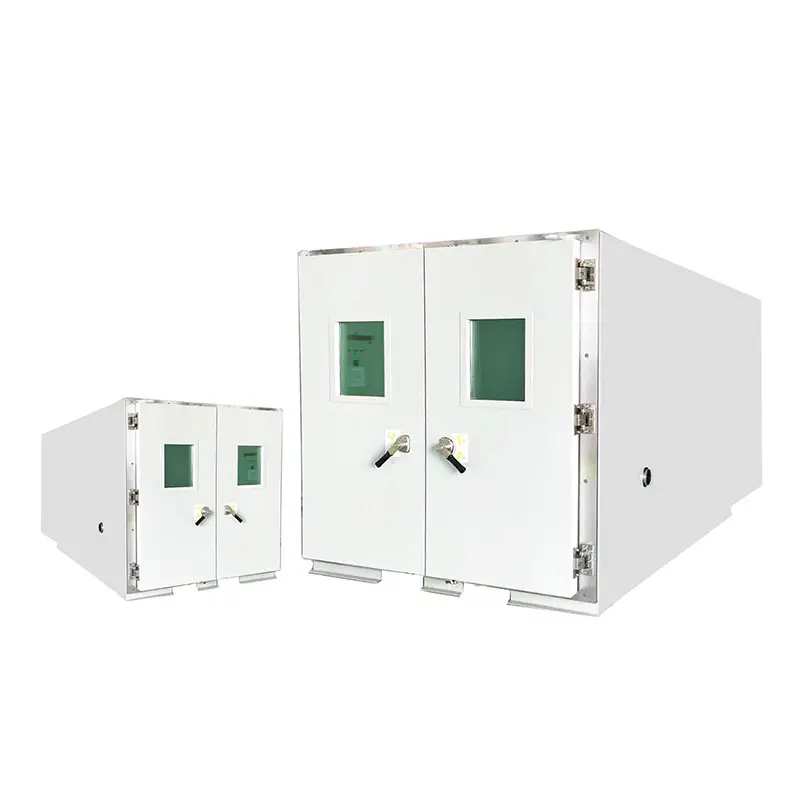
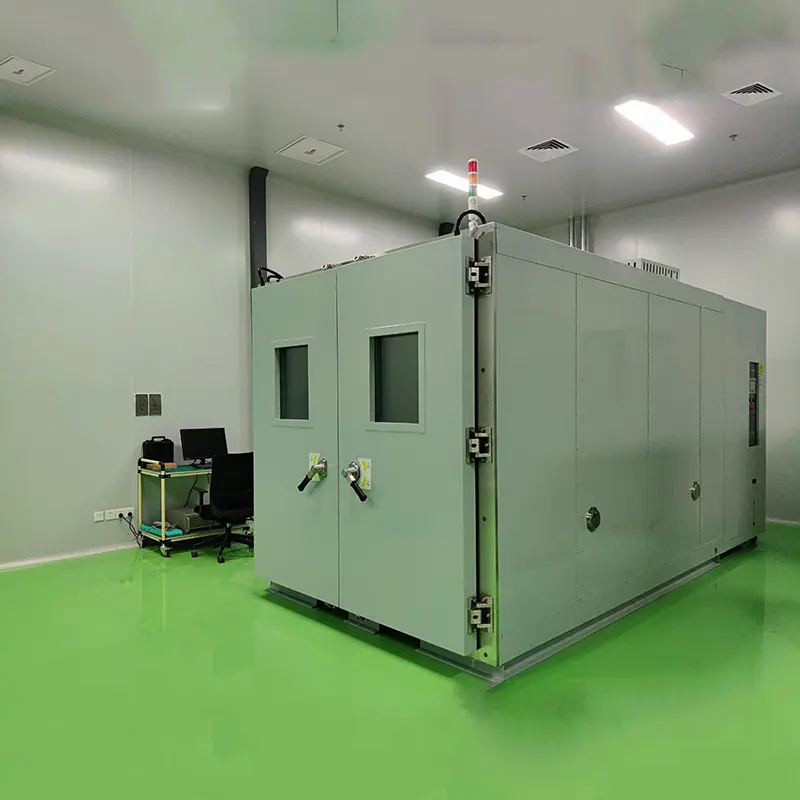
In the ESS sector, France's reliance on nuclear power is being complemented by a surge in wind and solar energy. However, the intermittent nature of renewables requires massive Energy Storage Systems. Industrial-scale ESS containers are being deployed at solar farms in the Nouvelle-Aquitaine region and integrated into the national grid to manage peak loads. These systems require rigorous environmental testing to withstand the humid Atlantic coast and the scorching heat of the Mediterranean.
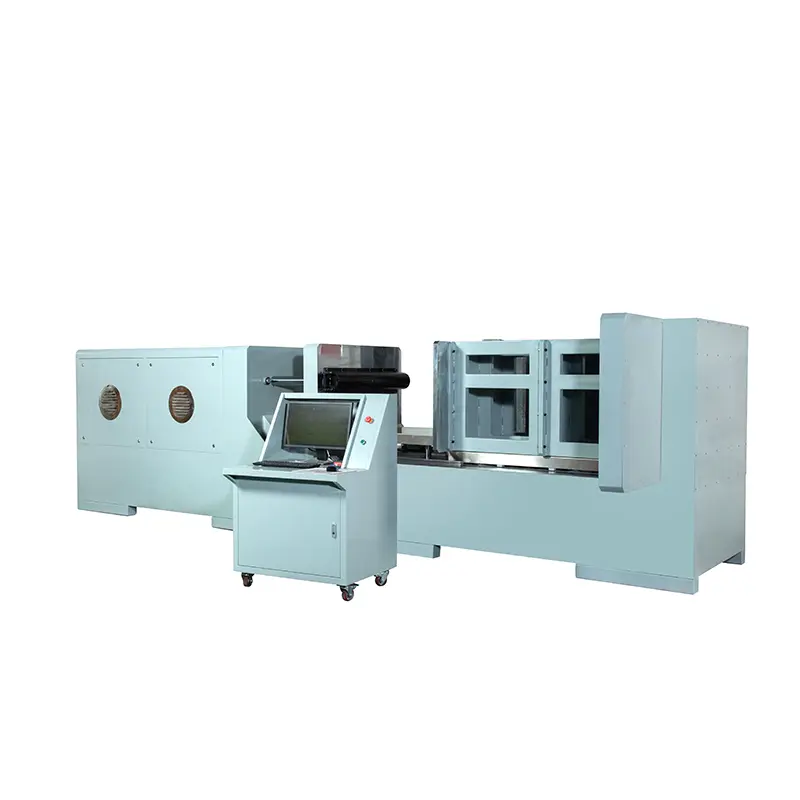
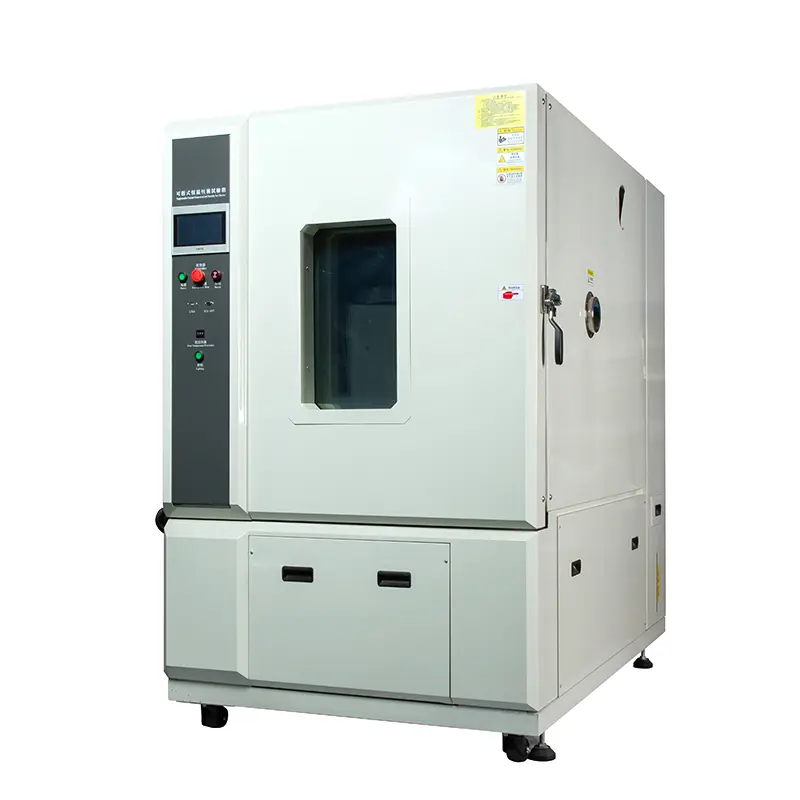
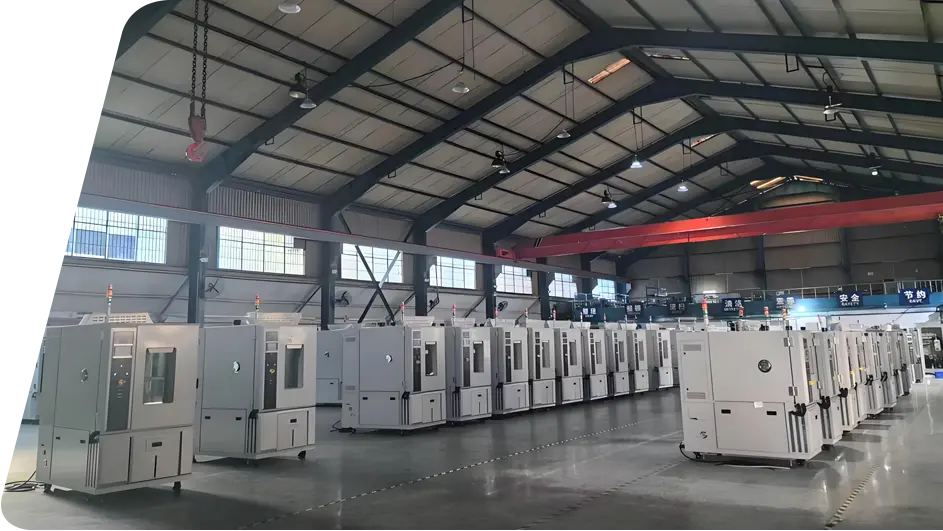
Safety is the primary barrier to the mass adoption of lithium-ion technology. Recent trends indicate a move toward Solid-State Batteries and LFP (Lithium Iron Phosphate) chemistries, which offer higher safety profiles. However, even these advanced chemistries are subject to "Thermal Runaway" risks. This is why our testing machines, such as the Thermal Shock Chambers and Short-circuit Testers, are designed with AI-enhanced monitoring to detect the slightest anomalies before they lead to catastrophic failure.
Furthermore, the "Circular Economy" is a major trend in France. Battery recycling plants are being built to recover lithium, cobalt, and nickel. Our equipment plays a crucial role here too, testing the safety and viability of "Second Life" batteries—EV batteries that are repurposed for ESS applications after they no longer meet automotive standards.

Solving the problem of low efficiency and large errors found in traditional manual battery testing.

Equipment digital transformation eliminates missed detections and insufficient installation challenges.

Strict performance testing before factory exit ensures high quality, precision, and safe operation.
Providing Precision Testing Equipment for Next-Gen Power Solutions
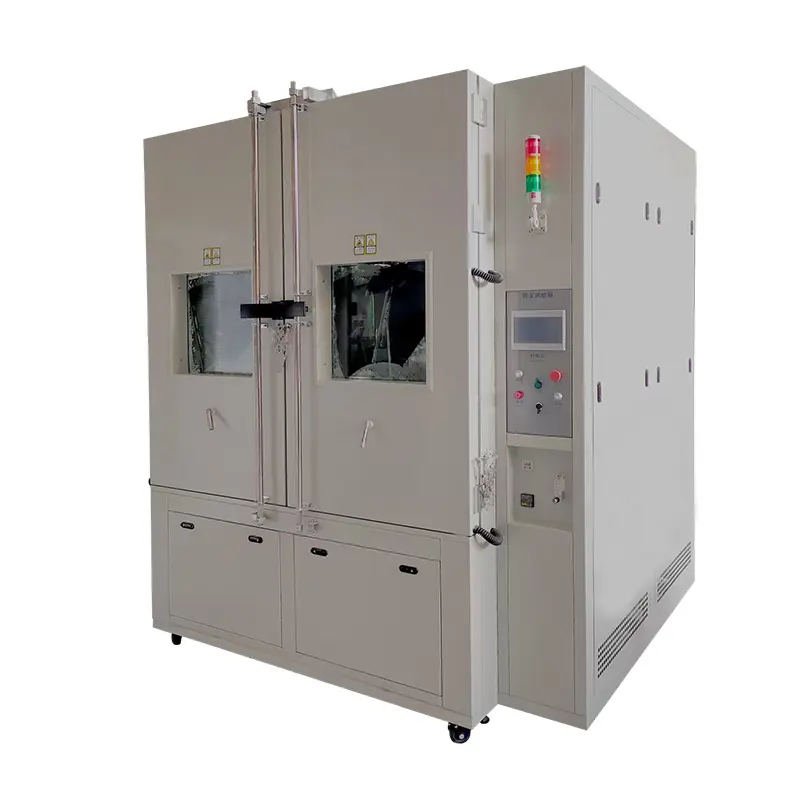
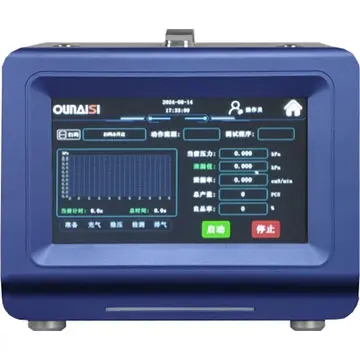
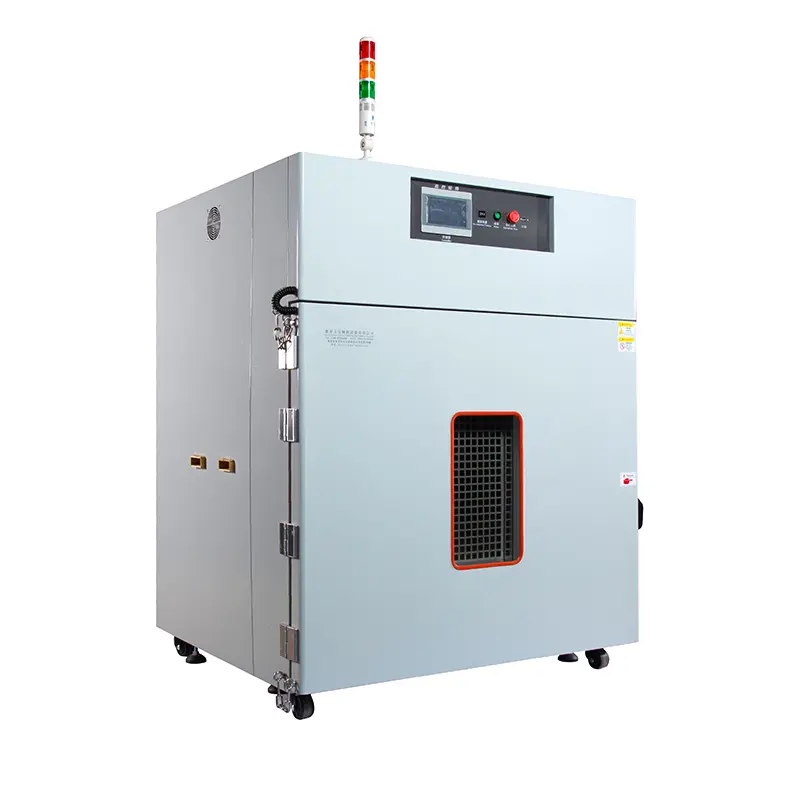
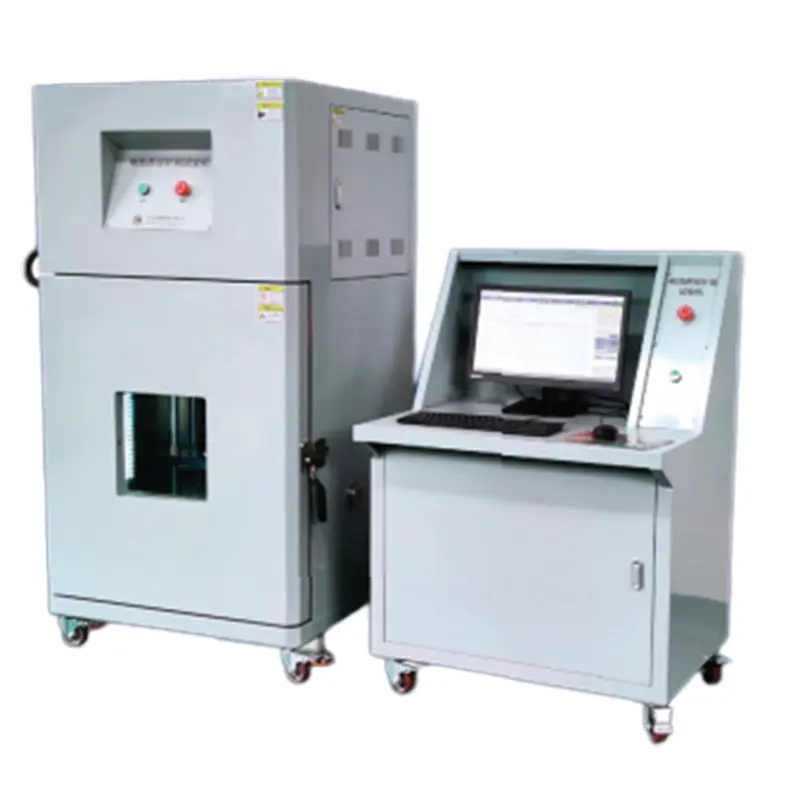
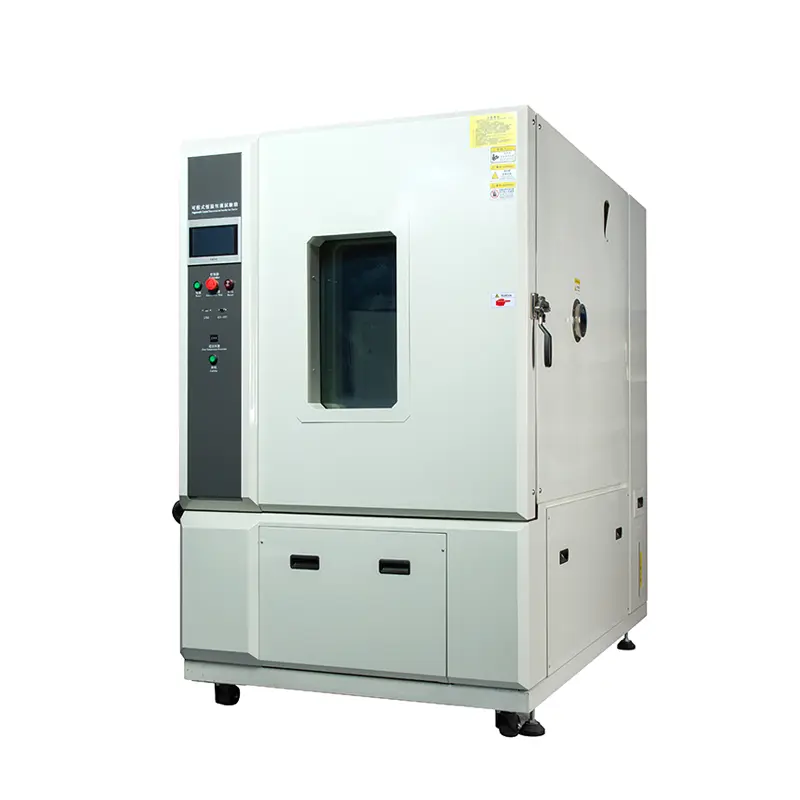
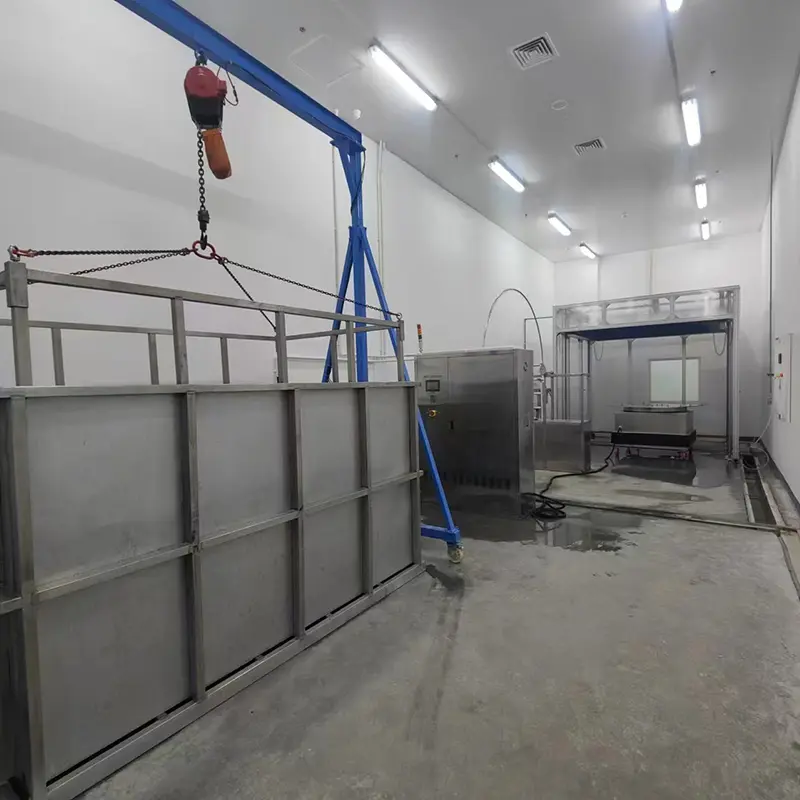
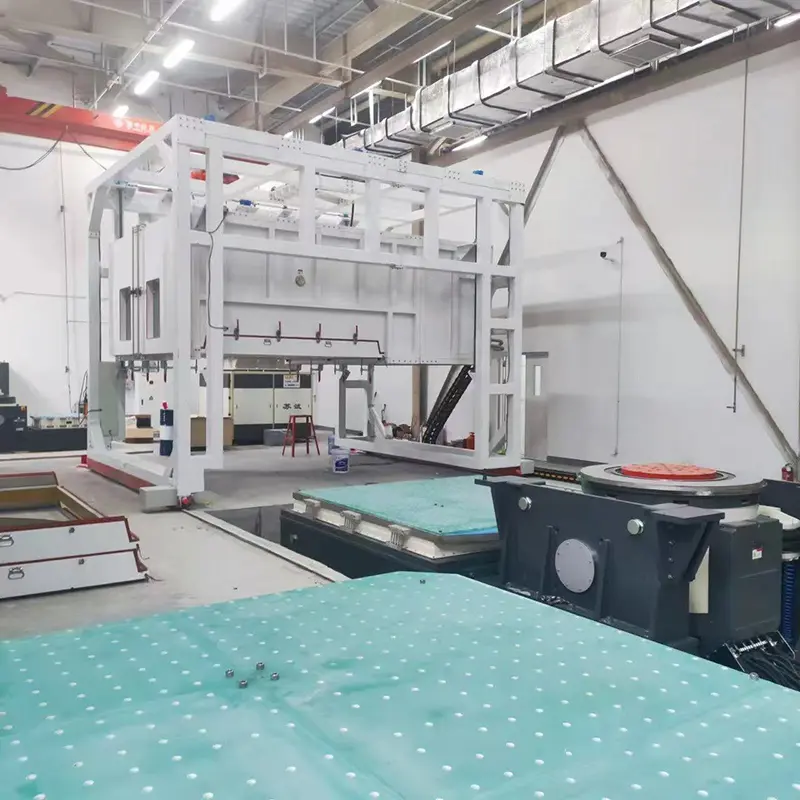
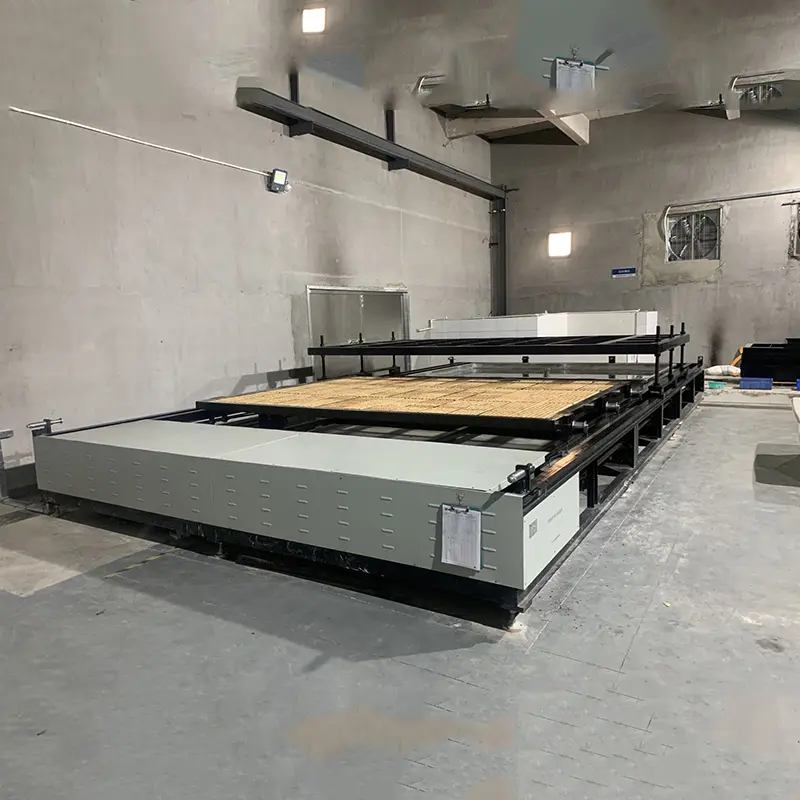
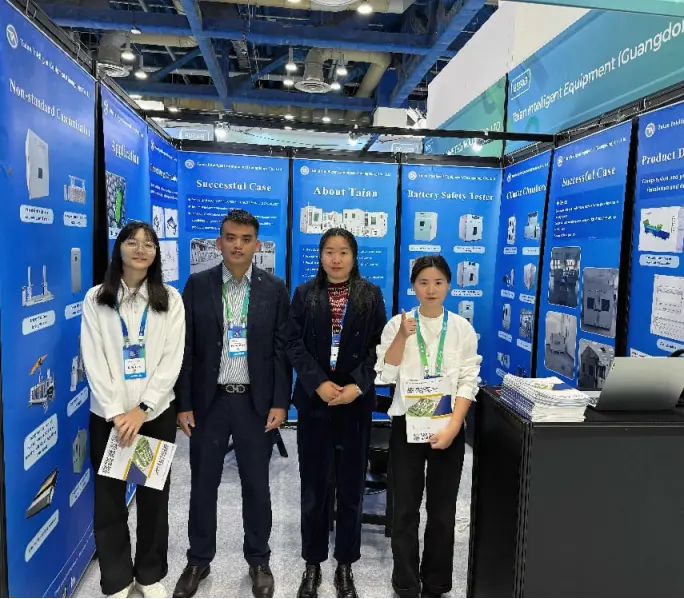
Taiantest officially announced its appearance at the international showcase for high-precision battery solutions...
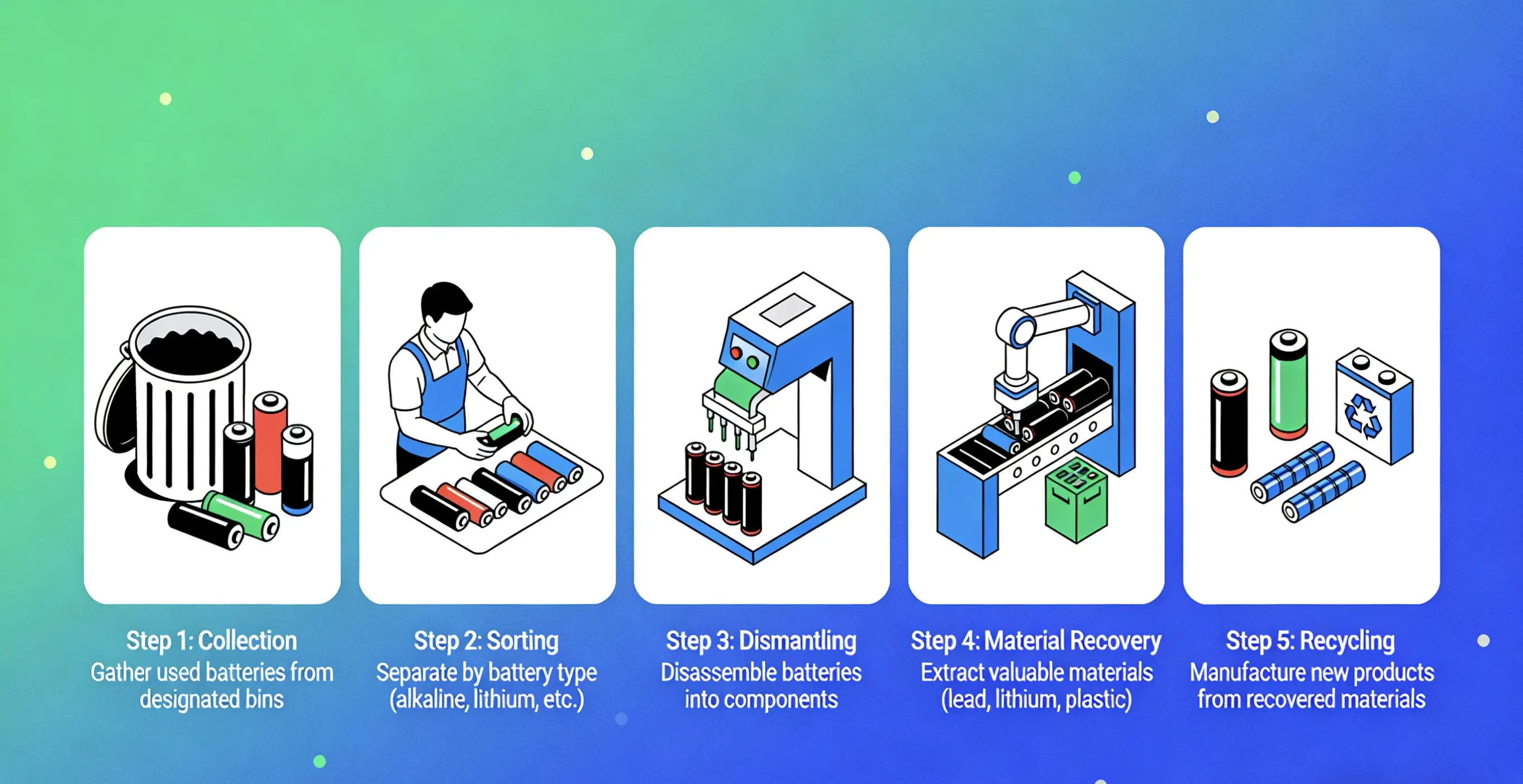
The global shift toward electrification is a present reality, and recycling is the next frontier for France's battery valley...
Whether you are establishing a new Gigafactory in Hauts-de-France or optimizing a storage project in Lyon, our team of experts is ready to provide the most advanced testing instruments.