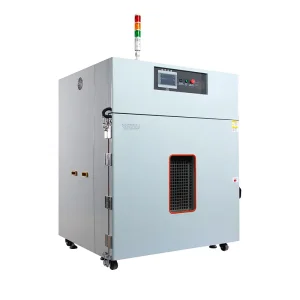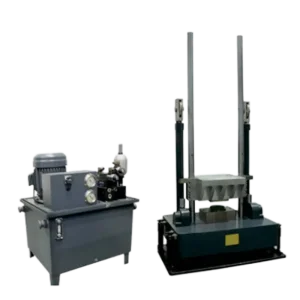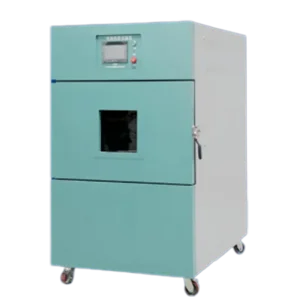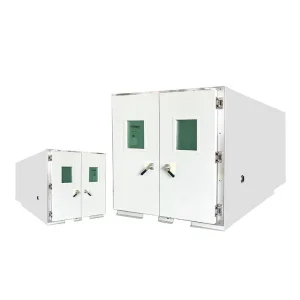
Industry-leading equipment for high-performance battery module evaluation.
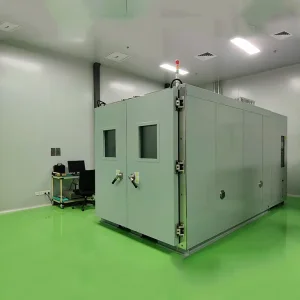
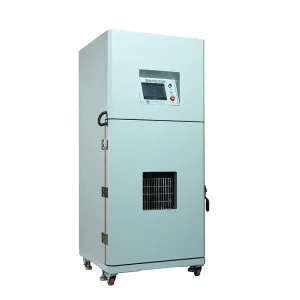
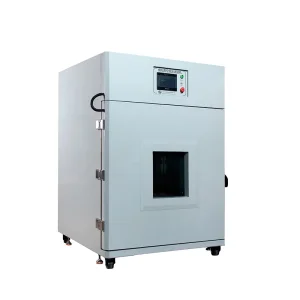
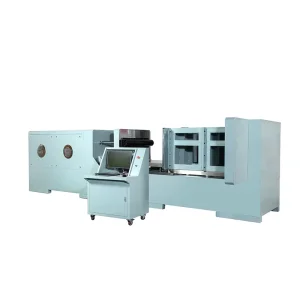
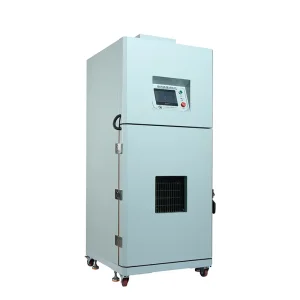
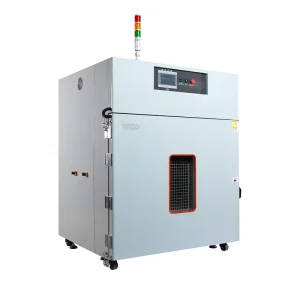
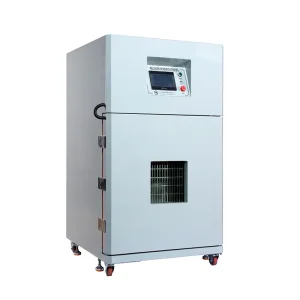
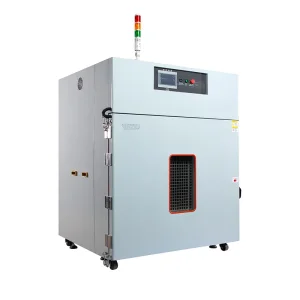
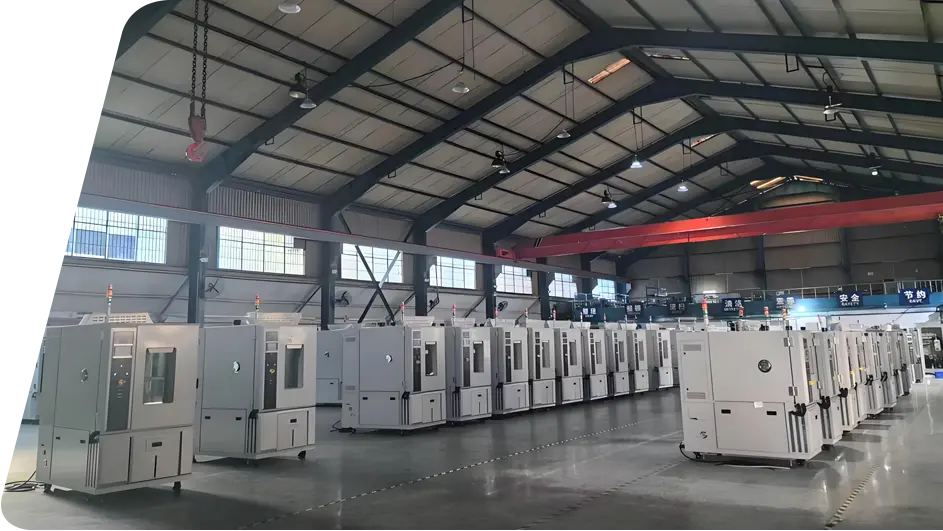
Founded on March 10, 2017, in the global manufacturing hub of Dongguan, Taian Intelligent Equipment (Guangdong) Co., Ltd. has established itself as a national high-tech enterprise at the forefront of the battery testing revolution. With a registered capital of 12 million RMB, we bridge the gap between rigorous safety requirements and efficient industrial production.
Our core mission is to provide precision instruments that ensure the green energy transition is safe and sustainable. By integrating advanced R&D with specialized manufacturing, we solve critical bottlenecks in manual testing, such as low throughput, measurement inaccuracy, and operational safety risks.
Decades of Brand Trust
Modern R&D Facility
Patented Technologies
Global Client Nations
Compliance Guarantee
As the Electric Vehicle (EV) and Energy Storage System (ESS) markets expand exponentially, the "Impact Test Unit For Battery Modules" has transitioned from a niche laboratory tool to a mandatory industrial requirement. Global safety standards such as UL 2580, IEC 62619, and UN 38.3 demand that battery modules withstand extreme mechanical shocks without ignition, leakage, or thermal runaway.
In Europe and North America, the regulatory focus is on the "Battery Passport" and lifecycle safety. This necessitates highly repeatable testing environments that only a "Famous Impact Test Unit" can provide. Suppliers are now evaluated not just on the hardware, but on the integrity of the data generated during these destructive tests.
Where is the industry heading in 2026 and beyond?
Integrating machine learning algorithms to analyze acoustic emissions and deformation patterns during impact to predict internal short circuits before they occur.
Development of mechanical impact systems capable of exceeding 100G with sub-millisecond pulse widths to simulate high-speed automotive collisions.
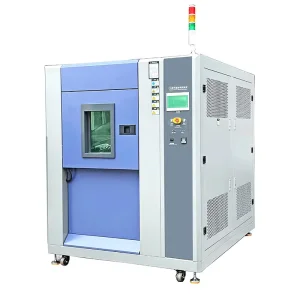
Utilizing low-GWP refrigerants (R448A/R452A) in climatic shock chambers to align with global ESG goals and carbon neutrality mandates.
Located in Dongguan, the "Factory of the World," Tai'an leverages a deep vertical integration of high-precision CNC machining, PLC logic development, and sensor calibration.
Our automated testing modules reduce human error by 85%. What used to take 3 days of setup now takes 4 hours through our proprietary quick-clamp fixtures.
By controlling the entire manufacturing process, we provide 40% more "information增量" (data points per test) compared to Western counterparts at a more competitive price point.
Integration of heavy impact and extrusion units directly into the end-of-line (EOL) testing phase for EV battery packs, ensuring every shipped unit meets the 5-star crash safety rating.
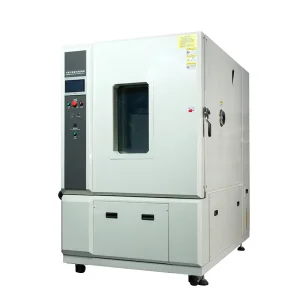
Testing massive 20ft containerized battery modules for seismic resistance and physical security using our Walk-in Constant Temp-Humidity chambers.
Simulating high-altitude low-pressure environments for solid-state batteries intended for high-atmosphere drones and satellites, where mechanical integrity is life-critical.
Assessing the structural health of "Second-Life" batteries before they are repurposed into household storage units.
Famous units prioritize repeatability and sensor accuracy. They include features like digital height setting, high-speed video acquisition, and reinforced explosion-proof cabins that prevent damage to the facility during a catastrophic battery failure.
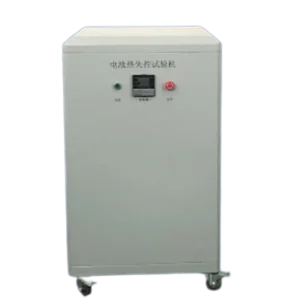
Our thermal runaway and combustion testers are specifically designed to capture the "heat release rate" (HRR) and gas composition as required by UL 9540A, providing the necessary documentation for global grid connectivity.
Yes. Tai'an offers remote diagnostic support, local calibration partnerships in 35+ countries, and modular spare parts kits that ensure minimal downtime for global laboratories.
Leveraging our Dongguan supply chain efficiency, we typically deliver custom climatic or mechanical chambers within 6-10 weeks, significantly faster than the industry average of 16+ weeks.
Advanced instrumentation for comprehensive battery lifecycle analysis.