
Weathering chambers play a crucial role in testing material durability against environmental factors. In the words of Dr. Emily Carson, a leading expert in material science, “The right weathering chamber can make or break the reliability of your product." As industries focus on global markets, selecting the right weathering chamber becomes essential for manufacturers.
With environmental challenges evolving, weathering chambers simulate conditions like UV exposure, humidity, and temperature fluctuations. Such testing helps ensure that materials and products withstand real-world conditions. For instance, electronics, coatings, and textiles all require rigorous testing to avoid premature failure. Not all weathering chambers offer the same reliability or accuracy, making informed choices vital.
Choosing the ideal weathering chamber involves navigating numerous options. Brands vary in quality, features, and price. The choice can be overwhelming. As Dr. Carson emphasizes, “Investing time in research pays off significantly.” Buyers should prioritize quality and durability in their selection. Understanding and evaluating these critical factors can lead to significant improvements in product performance and customer satisfaction.
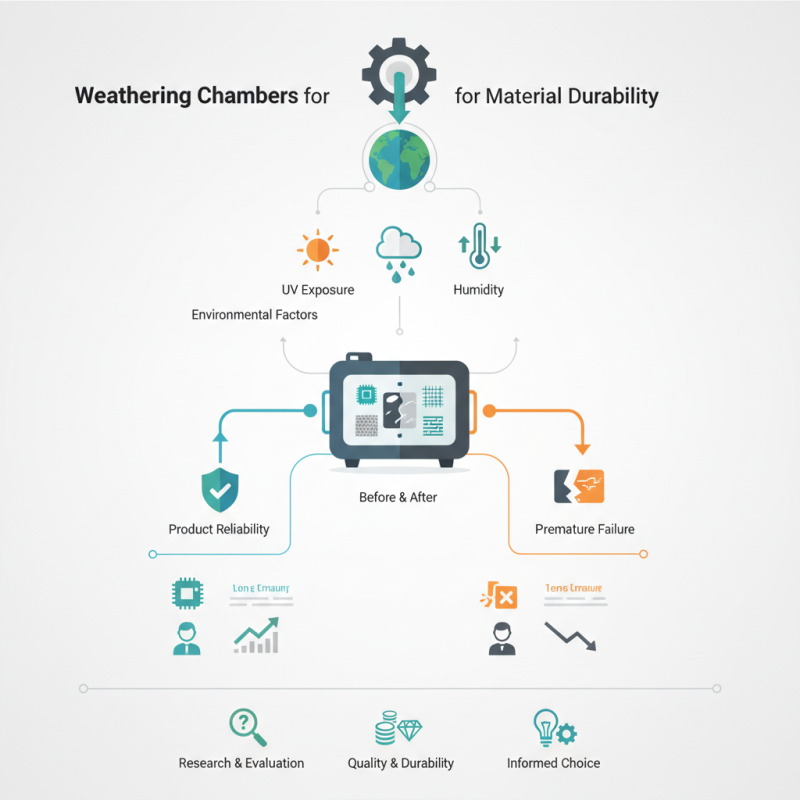
The demand for weathering chambers is rising as industries seek reliable testing solutions. In 2026, global buyers will have various options to choose from. These chambers simulate environmental conditions to assess materials' durability. Testing against UV light, rain, and temperature extremes helps evaluate product longevity.
A tip for buyers: Pay attention to the chamber's size and features. Some units are compact but lack necessary functionalities. Others may be larger but come with advanced technology. Do not overlook the importance of energy efficiency as well. High energy consumption leads to increased operational costs.
Another consideration is the calibration and maintenance of these devices. Regular checks ensure accurate results. Some buyers rush this aspect, which could lead to unreliable data. Seek manufacturers who provide good customer support and training. This will help you make the most of your investment. The right weathering chamber can be a game changer for product testing.
When selecting weathering chambers, various factors come into play. One key consideration is the chamber’s ability to simulate real-world environmental conditions. According to a recent survey, over 70% of laboratory professionals prioritize accurate simulation when purchasing these devices. Detailed assessments of sunlight, humidity, and temperature are essential for meaningful test results.
Another important factor is chamber size and capacity. Smaller chambers may be cost-effective, yet they limit material size for testing. Notably, a report by the International Weathering Association indicates that 60% of companies prefer larger chambers. This allows for comprehensive testing of diverse materials and products, accommodating a range of projects.
Finally, technology integration should not be overlooked. Innovative features, such as automated controls and data logging systems, enhance usability. A study shows that 55% of respondents value user-friendly software. Yet, not all chambers deliver on promises, leaving users frustrated. The choice involves balancing budget constraints with the need for advanced technology. Each decision point warrants careful reflection to ensure optimal performance.
Weathering chambers play a crucial role in the testing of materials and products. As global markets evolve, so do the technologies used in these chambers. The latest trends emphasize energy efficiency and automation. Manufacturers are now focusing on creating chambers that reduce energy consumption while improving test accuracy. Sensors and IoT connectivity enhance data collection and real-time monitoring.
Alongside energy efficiency, customization options are growing. Buyers increasingly prefer chambers that can simulate various environmental conditions. These include UV exposure, temperature fluctuations, and humidity levels. This versatility allows companies to tailor tests to their specific needs. However, with numerous options available, it can be overwhelming to make the right choice.
Furthermore, the integration of machine learning is becoming evident. Predictive analytics can offer insights that traditional methods fail to provide. This can be a game-changer for some companies, but it requires a shift in mindset. Some may find it challenging to adapt to new technologies. Overall, staying informed about these advancements is vital for buyers seeking reliable and innovative weathering chambers.
| Rank | Model | Temperature Range (°C) | Humidity Range (%) | Test Duration (Hours) | Innovative Features |
|---|---|---|---|---|---|
| 1 | WeatherPro 2026 | -40 to 100 | 20 to 98 | 48 | Real-time data logging |
| 2 | UltraTemp 4000 | -30 to 120 | 10 to 95 | 72 | Full-spectrum UV testing |
| 3 | EcoWeather 3000 | -40 to 80 | 15 to 90 | 24 | Energy-efficient design |
| 4 | ClimateSim 5000 | -50 to 100 | 5 to 100 | 120 | Automated control system |
| 5 | Durability 2026 | -20 to 90 | 20 to 95 | 36 | User-friendly interface |
| 6 | TestMaster X | -40 to 120 | 30 to 95 | 60 | Advanced sensor technology |
| 7 | NanoChallenge 2000 | -30 to 70 | 10 to 100 | 12 | Nano-scale testing capabilities |
| 8 | WeatherAnalyzer 400 | -40 to 110 | 15 to 90 | 48 | Data analytics integration |
| 9 | EnviroTest 360 | -20 to 100 | 20 to 80 | 30 | Multifunctional testing modes |
| 10 | Reliability 1000 | -10 to 90 | 25 to 95 | 72 | Remote monitoring capability |
In 2026, the landscape of weathering chambers evolves significantly. Leading brands offer innovative solutions tailored for diverse testing requirements. A comparative analysis reveals variations in performance, durability, and user-friendliness across brands.
Recent industry reports indicate that the global market for weathering chambers is projected to reach $600 million by 2026. This growth reflects increasing demand for materials testing in sectors like automotive and aerospace. Buyers should consider not only the specifications but also the long-term support and reliability of each brand. Some options may appear cost-effective upfront but reveal hidden maintenance costs over time.
Another critical aspect is the technology utilized in these chambers. Many utilize advanced xenon arc technology, essential for accurate simulation of sunlight exposure. However, not all brands offer the same testing standards. Awareness of ASTM and ISO testing protocols is vital. Choosing a chamber that aligns with these standards ensures compliance and enhances data reliability. Users must remain cautious, as not every brand meets these rigorous testing requirements. This complexity emphasizes the need for thorough research and user feedback before making a final selection.
Regulatory standards play a crucial role in the design and performance of weathering chambers. Compliance with these guidelines ensures that products can withstand environmental stressors. In 2026, global buyers will need to focus on chambers meeting international tests such as ISO and ASTM. Adhering to these standards guarantees that materials can endure real-world conditions.
It's vital to understand how these regulations affect chamber features. For instance, adjustable UV exposure and humidity settings are often mandated. These features allow for tailored testing, simulating various climates. Buyers should look for chambers that offer flexibility in testing parameters. This adaptability can enhance product reliability and longevity.
Tips: Always review the latest regulations before making a purchase. Seek chambers with easy-to-understand documentation. A focus on user-friendly interfaces can save time. Further, consider consultation with experts for specific testing needs. This can prevent costly mistakes and ensure compliance. Understanding these factors is essential for informed decisions.
: Current trends focus on energy efficiency and automation. Manufacturers aim to reduce energy consumption and enhance test accuracy.
Customization options allow simulation of various environmental conditions. Buyers can tailor tests based on specific needs and materials.
Machine learning offers predictive analytics for better insights. However, adapting to such technology can be challenging for some users.
Compliance with standards ensures durability against environmental stressors. Buyers must focus on chambers meeting ISO and ASTM testing protocols.
Some chambers may have hidden maintenance costs. Buyers need to assess overall reliability and support beyond initial pricing.
Thorough research and gathering user feedback are crucial. Awareness of testing standards and document clarity helps in making informed decisions.
Look for adjustable settings for UV exposure and humidity. These features support tailored testing, enhancing product reliability.
Regularly review regulations and seek user-friendly chambers. Consultation with experts can help address specific testing needs effectively.
The article "Top 10 Weathering Chambers for Global Buyers in 2026" provides a comprehensive overview of the essential factors for selecting the right weathering chambers in an evolving market. It emphasizes the importance of understanding the current trends and technological innovations that influence the effectiveness and performance of these chambers. As businesses increasingly prioritize durability testing for materials and products, selecting a weathering chamber that meets specific regulatory standards becomes crucial.
Additionally, the article includes a comparative analysis of leading offerings in the market, allowing buyers to make informed decisions based on functionality and efficiency. The insights shared aim to equip global buyers with the knowledge needed to navigate the complexities of weathering chamber technology, ensuring optimal results in their testing processes.
