
Thermal Cycle Testing is a crucial procedure in various industries, especially in electronics and materials engineering. This testing evaluates how products endure extreme temperature fluctuations. By simulating real-world conditions, manufacturers can discover potential weaknesses in their designs.
Incorporating Thermal Cycle Testing during product development is essential. It helps identify failure points that could arise under temperature changes. These insights are valuable for improving reliability and longevity. However, many organizations may overlook this testing, leading to costly recalls or product failures.
One must recognize the importance of conducting thorough Thermal Cycle Testing. Without it, products may not meet industry standards or customer expectations. The stakes are high, and the consequences of neglect can be severe. Relying solely on visual inspections is insufficient. Effective thermal testing can save time and resources, ensuring better quality and performance in the final product.
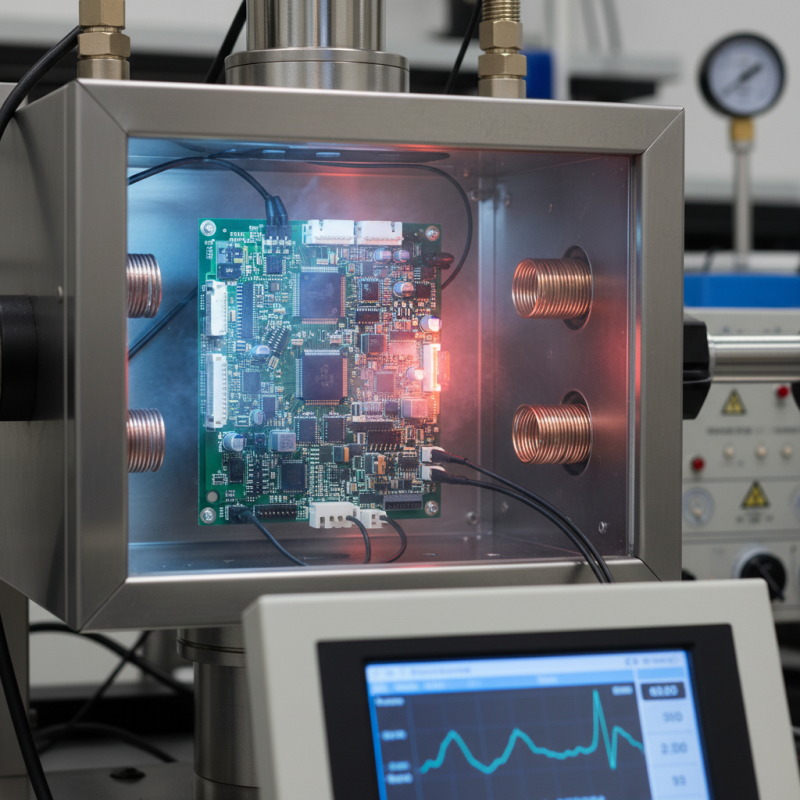
Thermal cycle testing is vital for assessing product reliability. This testing simulates extreme temperature variations that products face during use. It helps identify potential failures caused by thermal stress. These could result in fatigue, cracks, or even complete failures in components. Understanding these risks is crucial for engineers and manufacturers.
Tips: Always consider the material properties when designing for thermal cycles. Some materials can withstand greater fluctuations than others. Careful selection can extend product lifespan.
The role of thermal cycle testing extends beyond initial design. It assists in identifying weaknesses in existing products. For instance, a component may pass initial tests but fail under real-world conditions. Regular testing can uncover these discrepancies. This adaptability is a vital part of improving product reliability.
Tips: Document all findings during thermal cycle testing. A detailed record helps to trace failures and make informed design changes. Reflection on past results can guide future testing strategies.
Thermal cycle testing is a vital process in engineering, focusing on the behavior of materials under extreme temperature variations. This testing simulates real-world conditions that structures may encounter. Engineers use it to understand how materials expand and contract with heat. The insights gained assist in selecting materials that can endure thermal stress effectively.
During testing, samples are subjected to repeated heating and cooling. This simulates conditions like those in aerospace, automotive, and electronics industries. Each cycle can reveal weaknesses in material composition or design flaws. Engineers often analyze how these cycles affect properties like strength, ductility, and brittleness. It’s not always perfect; sometimes results may lead to unexpected failures.
The importance of thermal cycle testing cannot be understated. It informs design choices and enhances safety and durability. However, discrepancies can arise between tests and real-life applications. Engineers must constantly reflect on their testing methods and adapt. Continuous improvement is essential to stay ahead in the ever-evolving engineering landscape. Testing is not just about following protocols; it’s about finding and understanding imperfections in material behavior.
| Test Parameter | Description | Typical Range | Importance |
|---|---|---|---|
| Temperature Range | The range of temperatures the material is subjected to during testing. | -40°C to +125°C | Ensures material viability in extreme conditions. |
| Cycle Duration | The time duration for each temperature cycle. | 1 hour to 24 hours | Critical for testing fatigue and wear over time. |
| Number of Cycles | Total number of temperature cycles to which the material is subjected. | Up to 1000 cycles | Validates long-term durability and performance. |
| Cooling Rate | The rate at which the specimen is cooled down. | 5°C/min to 20°C/min | Affects the microstructure and mechanical properties. |
| Heating Rate | The rate at which the specimen is heated up. | 5°C/min to 15°C/min | Impacts thermal stress and performance analysis. |
Thermal cycle testing is a critical process in various industries, including aerospace and electronics. It assesses the performance and reliability of materials and components under extreme temperature variations. Key industry standards and protocols guide this testing, ensuring consistent results and quality control.
One of the prominent standards is the MIL-STD-810. This military standard outlines the testing requirements for environmental engineering. It specifies temperature ranges and durations, providing a comprehensive framework. Another important reference is the IEC 60068 series, which focuses on environmental testing for electronic devices. Adhering to these protocols enhances product reliability and safety.
While these standards are effective, they are not without limitations. Some protocols may not account for real-world conditions. Testing in a controlled environment may overlook certain variables. Companies must continually evaluate and refine their testing methods. Striving for accuracy and relevance is essential for improving thermal cycle testing processes.
Thermal fatigue significantly impacts the performance and lifespan of materials in various industries. When subjected to temperature fluctuations, materials undergo expansion and contraction. This repeated stress creates microcracks. Over time, these microcracks grow, leading to failure. According to a report by the American Society for Testing and Materials, thermal fatigue can reduce the lifespan of components by up to 30%.
The severity of thermal fatigue is influenced by material properties. Metals, for example, can tolerate temperature variations better than plastics. However, even the best materials experience degradation. A study by the Materials Research Society highlights that cyclic thermal loading can lead to a rapid decrease in strength, making understanding thermal fatigue crucial.
Identifying the signs of thermal fatigue early can extend lifespans. Regular inspections and thermal cycle testing are essential. These processes help uncover flaws before they become critical. Failure to address thermal fatigue can result in unexpected downtime and increased costs. Each industry must focus on rigorous testing and evaluation to mitigate these risks.
Thermal Cycle Testing is critical in both electronics and aerospace industries. This testing simulates extreme temperature fluctuations that components may encounter. In electronics, for example, circuit boards are subjected to rapid temperature changes. This process reveals how materials expand and contract under stress.
Aerospace applications offer striking insights. Components on aircraft face harsh conditions, with drastic temperature shifts during flight. One study demonstrated that early thermal cycle testing helped identify a failure in a critical sensor. This kind of proactive testing saved both time and costs.
However, not all tests yield predictable results. Sometimes, materials behave unexpectedly under extreme conditions. Engineers must be prepared to reassess their designs based on these findings. These challenges highlight the importance of continuous improvement in thermal cycle testing methodologies.
: Thermal cycle testing simulates extreme temperature changes products face during use. It assesses product reliability and identifies potential failures.
It helps detect risks like fatigue or cracks in components. Understanding these risks is crucial for engineers.
Some materials better withstand temperature fluctuations. Selecting the right materials can improve product lifespan significantly.
They expand and contract, which creates microcracks. Over time, these cracks can lead to component failure.
It can reduce the lifespan of materials by up to 30%. Regular inspections can help identify issues early.
All findings should be recorded. This documentation helps trace failures and guides informed design changes.
It uncovers discrepancies between test conditions and real-world performance. This adaptability is key for improving reliability.
Early identification of thermal fatigue can prevent critical failures. Neglecting this leads to unexpected downtimes and costs.
No, metals generally outperform plastics under temperature changes. Yet, all materials face degradation over time.
Reflecting on past test results can refine future strategies. Continuous learning is essential for product reliability.
Thermal Cycle Testing is a critical evaluation method used to assess the reliability of products, particularly in engineering fields. This testing simulates the thermal stresses that materials experience during their service life, thereby providing valuable insights into how temperature fluctuations affect performance and longevity. Understanding the principles of Thermal Cycle Testing allows engineers to predict potential failures and enhance product designs, meeting key industry standards and protocols that ensure safety and functionality.
The impact of thermal fatigue on material performance can be significant, leading to premature failure if not properly assessed. Various case studies in electronics and aerospace industries illustrate the necessity of Thermal Cycle Testing in identifying weak points and improving overall durability. By comprehensively evaluating the material responses to thermal cycles, companies can make informed decisions that enhance product quality and ensure customer satisfaction.
