
How to Make a Climate Chamber for Your Business at Canton Fair?

Time:2026-03-24 Author:Aria
0%

Creating an effective climate chamber is essential for businesses aiming to enhance product testing and quality assurance. According to Dr. Emily Carter, an expert in environmental control systems, “Understanding how to make a climate chamber will revolutionize your testing processes.” Her insights emphasize the importance of precise environmental conditions in product development.

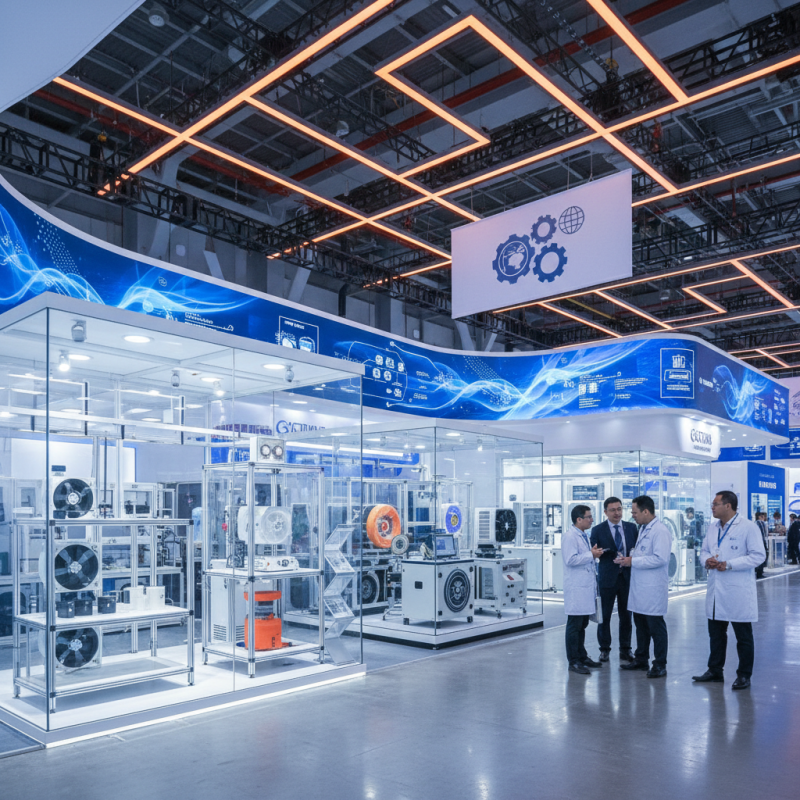
At the upcoming Canton Fair in April 2026, businesses will have the opportunity to showcase innovations in climate chamber technology. Utilizing AI-driven navigation will allow exhibitors to connect with suppliers specializing in this area. It’s crucial to evaluate potential partners, ensuring they meet industry standards like ISO and CE certifications. The integration of AI will enable targeted searches, increasing efficiency in the vast exhibition space.

Despite the advancements, many businesses still struggle with designing their climate chambers. Inadequate temperature and humidity control can lead to inconsistent results. This highlights the need for continuous learning and improvement within the industry. As you prepare for the Fair, consider exploring these technologies to streamline your processes and enhance innovation in product development.
How to Make a Climate Chamber for Your Business at Canton Fair?

Understanding the Purpose of a Climate Chamber for Your Business

A climate chamber is essential for businesses focused on product testing and quality control. This controlled environment simulates various climatic conditions. It helps in understanding how products perform under different temperatures and humidity levels. When participating in events like the Canton Fair, showcasing resilient products is key.

Tips: Ensure the chamber is spacious enough for your products. Regular maintenance is crucial. A malfunction could lead to unreliable test results.

It’s important to recognize the limitations of your climate chamber. Not all conditions may be accurately recreated. Failure to account for this may lead to flawed data. Businesses should also consider adaptability. The chamber should align with future product developments.

Tips: Regularly review your testing protocols. Stay updated with new standards in climate testing. Engage with experts to refine processes.

Essential Components Required for Building a Climate Chamber

Building a climate chamber for your business can be an exciting yet challenging task. Essential components include an insulated chamber, precise temperature control, and humidity regulation systems. You must ensure that the insulation is strong enough to maintain desired conditions. It is crucial to monitor temperature fluctuations closely. This can help in maintaining stability, but small errors may lead to large variations.

A reliable monitoring system is also vital. It tracks both temperature and humidity levels. Regular calibration of sensors ensures the accuracy of readings. Sometimes, outdated sensors give erroneous data. This can result in unintended outcomes, so always review your equipment regularly.

In addition to this, ventilation plays a key role. Adequate airflow prevents stagnation within the chamber. Air circulation fans can be tricky to balance; too much speed can disrupt environmental conditions. Finding the right speed requires trial and error. Lastly, the chamber door must seal tightly. Even a small gap can lead to significant temperature loss. Regular checks for wear and tear are necessary.

Step-by-Step Guide to Constructing Your Own Climate Chamber

Creating a climate chamber can benefit your business significantly. The steps may seem straightforward, yet challenges often arise. Begin by selecting an appropriate location for your chamber. It should have adequate space and access to electricity. If the setup feels cramped, reconsider your design.

Next, gather materials like insulation panels and climate control systems. Insulation is crucial for maintaining the desired temperature and humidity levels. However, sourcing high-quality materials can be time-consuming. Don’t rush this process; sometimes cheaper options lead to issues later.

Connecting the climate control system is vital. This is where things can get tricky. You may face wiring problems or device compatibility issues. Make sure to double-check connections and settings. Even small mistakes can result in significant setbacks. Regular testing of your chamber during the setup phase will help identify any flaws early on. Adjustments might be necessary, and that’s perfectly normal. Building a climate chamber requires patience and reflection—it’s a learning journey.

Selecting the Right Location and Space for Your Climate Chamber

Choosing the right location for your climate chamber is crucial for success. Think about accessibility. Will it attract visitors? Consider nearby facilities and resources. Proximity to suppliers and clients can streamline operations. If transportation is difficult, it may create challenges.

The size of the space matters too. A climate chamber should have adequate room for equipment and testing activities. Look for a space that can accommodate future growth. You may need to adjust designs later, which could be costly. Ensure you have enough area for maintenance and safety protocols.

Lastly, think about environmental factors. Natural light can affect testing conditions. If windows are present, consider their placement. Additionally, climate control systems might need extra space. Balancing all these elements can feel overwhelming. Reflect on the specific needs of your business. It’s a learning curve, but important to get it right.

How to Make a Climate Chamber for Your Business at Canton Fair?

Location Criteria Recommended Size (sq ft) Temperature Control Range (°C) Humidity Control Range (%) Power Supply Requirements
Proximity to Suppliers 200 - 500 -20 to 50 30 to 70 220V, 50Hz
Accessibility for Logistics 300 - 750 -10 to 40 20 to 80 380V, 3-phase
Nearby Competitors 150 - 600 -30 to 60 40 to 90 220V, 60Hz
Regulatory Compliance 400 - 1000 -15 to 45 30 to 100 220V, 3-phase

Tips for Maintaining and Optimizing Your Climate Chamber Performance

Maintaining and optimizing your climate chamber is crucial for business operations. Proper temperature and humidity control allow for better product testing. It can be challenging at times. Small adjustments often lead to significant changes in performance.

Regularly calibrate your sensors. Calibration ensures accuracy in readings. Clean the internal components frequently. Dust and debris can disrupt airflow. Check the door seals often. A worn seal can lead to loss of climate control.

Monitor energy consumption closely. High energy usage may indicate an issue. Conduct periodic performance tests. If you notice fluctuations, take immediate action. Documentation can help identify patterns. Understanding your climate chamber's behavior is essential for troubleshooting.

FAQS

: What is the first step to building a climate chamber?

: The first step is selecting an appropriate location with enough space and access to electricity.

Why is insulation important for a climate chamber?

Insulation maintains desired temperature and humidity levels, which is essential for reliable testing.

What should I consider when gathering materials?

Choose high-quality materials; rushing can lead to issues. Cheaper options may cause problems later.

What challenges might I face when connecting the climate control system?

You may encounter wiring issues or device compatibility problems that need careful attention.

How can I ensure my climate chamber functions correctly during setup?

Regular testing will help identify flaws. Adjustments might be necessary, so be patient.

Why is location accessibility important for my climate chamber?

Accessibility can attract visitors and streamline operations with nearby suppliers and clients.

What happens if my climate chamber space is too small?

A cramped design can lead to challenges and costly adjustments later on.

How does natural light affect testing conditions?

Natural light can interfere with specific testing conditions, so consider windows carefully.

What’s a common mistake when planning a climate chamber?

Failing to plan for future growth may result in costly redesigns later on. Reflect on needs carefully.

Is building a climate chamber a quick process?

No, it requires time and reflection. It’s a learning journey with challenges along the way.

Conclusion

Creating a climate chamber is essential for businesses that require specific environmental conditions for product testing or development. This article outlines how to make a climate chamber, starting with an understanding of its purpose and the essential components needed for construction. It provides a step-by-step guide to building your chamber, ensuring you have the right tools and materials.

Additionally, selecting the appropriate location and space for your climate chamber is crucial for its effectiveness. The article also offers valuable tips for maintaining and optimizing your chamber's performance, ensuring it meets the desired operational standards. By following these guidelines, businesses can create an effective climate chamber tailored to their specific needs.

Aria

Aria

Aria is a dedicated marketing professional with a deep passion for innovative strategies and a keen understanding of our company's product offerings. With a wealth of experience in the industry, Aria excels at crafting engaging content that highlights the unique features and benefits of our......