
Top Environmental Thermal Chamber Innovations at 2026 Canton Fair?

Time:2026-03-27 Author:Aria
0%

The 2026 Canton Fair is set to showcase cutting-edge innovations in the Environmental Thermal Chamber sector. Experts like Dr. Amelia Tsai have emphasized, "Environmental Thermal Chambers are pivotal for testing quality and sustainability." This fair, scheduled for April 15-19 and April 23-27, will attract numerous suppliers and buyers interested in advanced technologies.

Attendees will witness the latest thermal chamber innovations that can improve performance and energy efficiency. Technology is advancing, but challenges remain. The integration of Artificial Intelligence for efficient navigation at the fair is a promising step. Yet, exhibitors must address the varying standards of environmental chambers across industries.

As the industry evolves, the demand for reliable Environmental Thermal Chambers is increasing. The fair will also highlight the importance of certifications like ISO and CE. This aspect is vital for ensuring the credibility of products. However, the quest for better solutions often uncovers areas needing improvement. Achieving compliance is not the end; it's a continuous journey in this dynamic field.
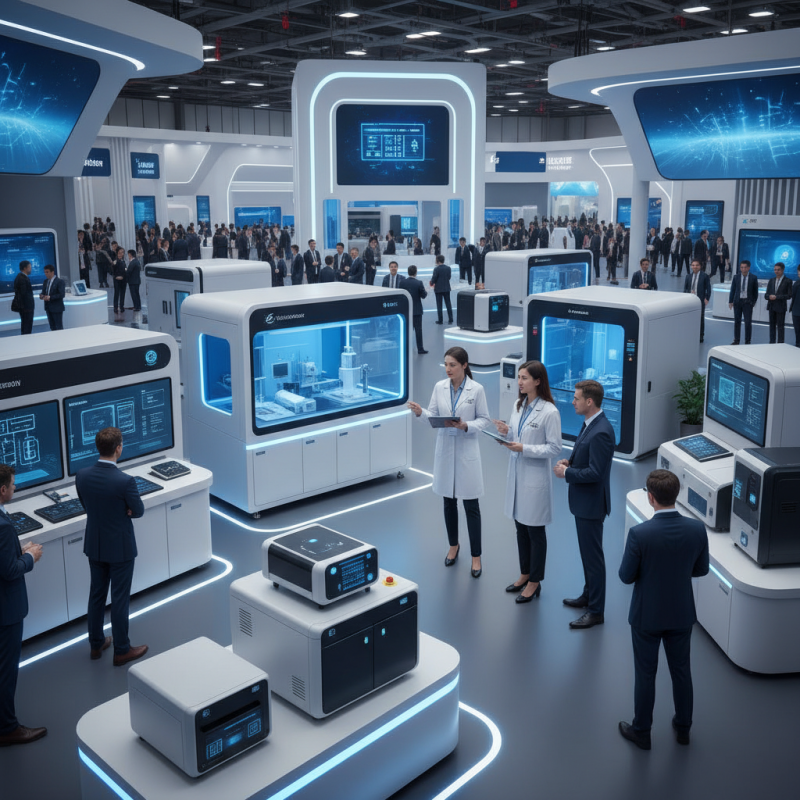
Top Environmental Thermal Chamber Innovations at 2026 Canton Fair?

Top Innovations in Environmental Thermal Chambers Showcased at 2026 Canton Fair

The 2026 Canton Fair dazzled attendees with cutting-edge innovations in environmental thermal chambers. These chambers demonstrated advancements in temperature control and energy efficiency. New models featured improved insulation materials that minimize heat loss. This is critical for sustainable operation, especially in extreme temperature testing.

One standout innovation was the integration of smart technology. Automated systems allow for real-time monitoring of temperature and humidity levels. Users can remotely adjust settings via mobile apps. Such features could streamline testing processes but raise concerns about data security and reliability. Furthermore, the industry should consider the implications of increased dependency on technology.

While these innovations are promising, there remain areas for improvement. Some exhibited models struggled with calibration accuracy, raising questions about their reliability. Additionally, user interfaces in several designs were overly complex, making them difficult to navigate. As companies strive for excellence, they must prioritize user experience alongside advanced technology.

Key Features of Next-Gen Thermal Chamber Technologies

The 2026 Canton Fair showcased remarkable innovations in environmental thermal chambers. These chambers are designed to test materials and products under extreme temperatures. They integrate advanced thermal insulation techniques that improve energy efficiency. New designs allow for more precise temperature control, ensuring reliable test results.

One standout feature is the use of eco-friendly refrigerants. This minimizes environmental impact during operation. Many devices now include smart technology for remote monitoring. Users can track performance via apps, enhancing usability. However, some units still struggle with user interface issues, leading to a learning curve for technicians.

Additionally, modular designs are becoming popular. They offer flexibility for various applications. Users can scale the chambers to meet specific needs. Yet, not all manufacturers provide adequate user manuals, which can cause confusion. Providing better documentation could enhance user experience significantly.

Sustainability and Eco-Friendly Designs in Thermal Chambers

At the 2026 Canton Fair, innovations in environmental thermal chambers are set to shine. Many designs focus on sustainability. The use of recycled materials is increasing. This reduces waste and promotes a circular economy. Some thermal chambers now utilize solar power for better energy efficiency. These developments reflect a growing commitment to protecting our planet.

Another interesting trend is the integration of smart technology. Monitoring systems can improve performance. They adjust temperature and humidity levels automatically. This ensures optimal conditions while saving energy. However, the technology is not without flaws. Some systems may malfunction, leading to unexpected results. This raises questions about reliability and user trust.

It's essential to highlight the balance between innovation and practicality. While many designs are eco-friendly, their effectiveness needs ongoing evaluation. It’s a challenge to create products that are both functional and sustainable. As we move forward, the focus should remain on improving these designs. Striving for a greener future means constant reflection and adaptation in the realm of thermal chambers.

Top Environmental Thermal Chamber Innovations at 2026 Canton Fair

This chart illustrates the key innovations in environmental thermal chambers showcased at the 2026 Canton Fair, focusing on energy efficiency, use of eco-friendly materials, temperature range capabilities, sustainability practices, and the incorporation of smart technology.

Impact of Artificial Intelligence on Thermal Chamber Performance

The integration of artificial intelligence (AI) into thermal chamber technology is transforming performance standards. According to a recent industry report, AI-driven systems can enhance temperature control accuracy by over 30%. This improvement leads to more reliable environmental testing.

AI algorithms analyze real-time data from thermal chambers. They adjust settings autonomously to maintain optimal conditions. This not only boosts efficiency but reduces energy consumption. A study showed that AI systems can lower operational costs by around 25%. However, the implementation of AI isn't without challenges.

While AI enhances functionality, it also raises concerns. There may be reliance on technology that could lead to operational blind spots. Human oversight remains crucial to mitigate risks. It's essential to balance AI benefits with critical thinking. As innovations continue, the future of thermal chambers looks promising, but vigilance is key.

Future Trends and Advancements in Thermal Testing Equipment Industry

The thermal testing equipment industry is evolving rapidly. At the 2026 Canton Fair, remarkable innovations are expected. These advancements will enhance the efficiency and accuracy of thermal chambers. Trends indicate a focus on energy efficiency. Manufacturers are likely to explore more sustainable materials. However, implementing these changes can be challenging.

New thermal chambers may feature smart technology. These systems can integrate IoT for real-time data analysis. Yet, this technology might introduce complexity. Users may need additional training to adapt. Moreover, while automation can boost efficiency, it might reduce manual oversight. Operators may face difficulties in troubleshooting.

Investments in user-friendly interfaces are essential. Simplified controls could improve accessibility for all users. As designs focus on ease of use, some features may be overlooked. Balancing innovation with practicality remains a key challenge. The industry must strive to create solutions that are both advanced and user-centric.

FAQS

: What are environmental thermal chambers?

: They are controlled environments used for testing products under various temperature and humidity levels.

How do new thermal chambers improve energy efficiency?

They use better insulation materials and sometimes solar power to reduce energy consumption during testing.

What is a key feature of modern thermal chambers?

Many now include smart technology for real-time monitoring and remote adjustments via mobile apps.

Are there any concerns about the use of smart technology?

Yes, there are worries about data security and reliability, especially if users depend heavily on it.

What issues were observed with some thermal chamber models?

Calibration accuracy was sometimes poor, questioning the reliability of test results.

How is artificial intelligence impacting thermal chambers?

AI improves temperature control accuracy and reduces operational costs, but it requires careful oversight.

Can eco-friendly designs still be effective?

Yes, many sustainable designs are effective, but their performance needs continuous evaluation.

What challenges arise from advanced technology in thermal chambers?

Complexity in user interfaces can make them hard to navigate, affecting user experience.

Why is human oversight important in AI-driven systems?

It helps avoid potential operational blind spots caused by over-reliance on technology.

What should companies focus on moving forward?

They must balance innovation with practicality, ensuring products remain user-friendly and sustainable.

Conclusion

The 2026 Canton Fair showcased significant innovations in Environmental Thermal Chambers, highlighting advancements that drive the industry forward. Key features of next-generation thermal chamber technologies include enhanced precision control, energy efficiency, and integration of sustainable designs that prioritize environmental responsibility. These advancements not only support rigorous thermal testing for various applications but also align with growing demands for eco-friendly solutions.

Furthermore, the impact of artificial intelligence on the performance of Environmental Thermal Chambers was explored, illustrating how AI can optimize testing processes and improve data accuracy. As the industry evolves, emerging trends indicate a shift towards smarter, more efficient thermal testing equipment that can anticipate user needs and adapt in real-time. The combination of sustainability and cutting-edge technology positions the Environmental Thermal Chamber sector for significant growth in the coming years.

Aria

Aria

Aria is a dedicated marketing professional with a deep passion for innovative strategies and a keen understanding of our company's product offerings. With a wealth of experience in the industry, Aria excels at crafting engaging content that highlights the unique features and benefits of our......