
Choosing the right Sand Test Chamber is crucial for various industries. This device plays a key role in testing material durability against sand erosion. However, selecting the appropriate chamber can be challenging. There are many options available, each with its own features and specifications.
Your specific needs should guide your decision. Consider the type of materials you work with and the testing standards required. Pay attention to the chamber's size, durability, and ease of use. A well-chosen Sand Test Chamber can save you time and boost productivity.
Some companies may overlook nuances in operational features. This can lead to ineffective testing. Evaluating a chamber's capabilities is essential. The right choice can enhance your testing process and result in better product reliability. Balancing quality and budget can be tricky. Make a decision that reflects your priorities and technical requirements. This reflection process can lead to a more satisfying outcome.
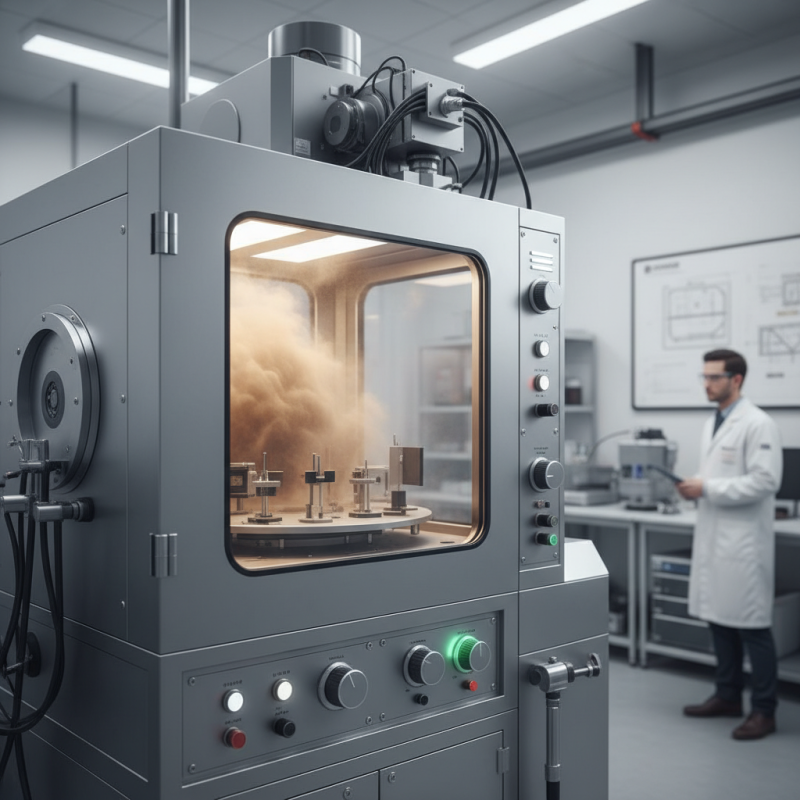
Sand test chambers are vital for assessing the durability of materials in harsh environments. These tests simulate conditions such as wind-driven sand, confirming that products can withstand significant abrasions. Industry reports reveal that over 30% of product failures arise from inadequate environmental testing, highlighting the necessity of robust testing methods.
Understanding the purpose of sand test chambers goes beyond mere compliance. They provide insight into the wear and tear materials will face in real-world applications. The American Society for Testing and Materials (ASTM) suggests that effective sand test protocols can extend product life by 20%. However, choosing the right chamber remains challenging for many organizations. Often, companies overlook factors like chamber size, airflow, and test duration, which can affect results.
Effective sand testing requires more than just equipment. Operations must develop standardized testing procedures. Inconsistent testing can lead to unreliable data. This could ultimately result in product recalls or failures. Continuous improvement and investment in technician training are essential. While many manufacturers prioritize cost, the long-term savings from reliable products far outweigh initial expenditures.
| Dimension | Description | Purpose | Application |
|---|---|---|---|
| Small Chamber | Compact size, suitable for small test samples. | To evaluate the sand resistance of smaller materials. | Electronics, small hardware components. |
| Medium Chamber | Versatile size for a wide range of tests. | Testing medium-sized components for durability. | Automotive parts, larger electronics. |
| Large Chamber | Accommodates large samples and assemblies. | For testing large products under extreme conditions. | Construction materials, industrial equipment. |
| Custom Chamber | Tailored to specific customer requirements. | For unique testing situations or materials. | Research & development, specialized industries. |
: Sand test chambers assess material durability in harsh environments. They simulate conditions like wind-driven sand.
They reveal how materials endure real-world wear and tear. This helps predict product lifespan effectively.
Consider chamber size, airflow, and test duration, as these can impact testing outcomes significantly.
Poor testing can lead to unreliable data. This might result in recalls or product failures in the market.
Features like adjustable humidity controls and easy-to-clean interiors improve usability and test accuracy.
Continuous training is vital for improving test reliability. Skilled technicians enhance the quality of testing procedures.
Yes, too small a chamber limits testing. Conversely, an oversized unit can waste materials and resources.
Many overlook developing standardized procedures, which leads to inconsistent testing and unreliable results.
Past user experiences can highlight pros and cons that specifications may not cover. This information is valuable.
Reports show that over 30% of product failures are due to insufficient environmental testing practices.
Choosing the right Sand Test Chamber is essential for accurately simulating environmental conditions and assessing material durability. To make an informed decision, it's important to understand the purpose of these chambers, ensuring they align with your testing needs. Key features, such as adjustable settings and durability, should be evaluated based on specific requirements.
Additionally, considering the various types available on the market will allow you to identify the best fit for your application. Budget considerations are also crucial, as a more significant initial investment might lead to long-term value. Lastly, selecting the appropriate size and capacity for your Sand Test Chamber ensures it can accommodate the materials being tested without compromising performance.
