
Choosing the right Rapid Temperature Change Test Chamber can be daunting. Experts like Dr. Jane Smith, a leading authority in material testing, emphasize, “Selecting the right chamber is critical for reliable results.” This statement encapsulates the importance of making an informed decision at industry events like the Canton Fair.
At the upcoming Canton Fair in April 2026, attendees will encounter numerous manufacturers showcasing their test chambers. With a sprawling 155,000 square meters of exhibition space, navigating through the vast options can be overwhelming. Buyers must focus on specific certifications like ISO and CE to ensure quality and reliability.
Pay attention to the nuances in design and functionality. Some chambers offer advanced features like programmable temperature profiles, while others may not. Reflect on these aspects carefully. Selecting a Rapid Temperature Change Test Chamber is not merely about purchasing equipment; it must align with your testing needs and compliance standards.
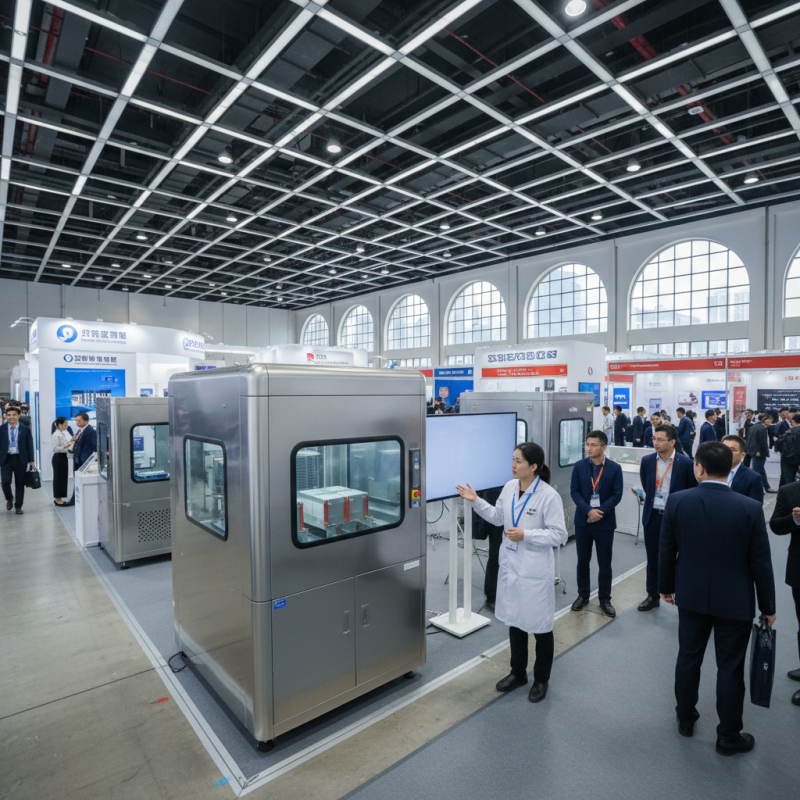
Rapid temperature change test chambers are essential for testing materials and components. These chambers simulate harsh environmental conditions. They quickly shift between high and low temperatures to reveal how products react. A report by Research and Markets indicates the global temperature testing equipment market is projected to grow significantly, reaching over $2 billion by 2025. Understanding the basics helps in making informed choices.
When choosing a test chamber, consider temperature range and stability. Some chambers can shift from -70°C to +180°C efficiently. Quick recovery times are crucial for accurate testing. An ideal chamber should maintain its set temperature even with external fluctuations. Data from Frost & Sullivan shows that over 30% of users report inadequate temperature stability in lower-quality chambers. Reflecting on such issues can lead to better procurement decisions.
Another aspect is chamber capacity. Some smaller models might not accommodate larger components, leading to limitations. It’s common to overlook calibration needs, which is vital for trustworthy results. Accuracy must be prioritized. Ensure the chosen chamber can meet upcoming testing requirements. Testing trends show a growing need for versatility and precision. The right chamber can save time and resources.
Selecting the right rapid temperature change test chamber is crucial for many industries. Key features to look for include a wide temperature range. Some chambers can operate from -70°C to 150°C. This range is vital for various applications. Consistency is another critical aspect. Chambers should maintain temperature stability within ±1°C. Variations can lead to inaccurate testing results.
Temperature change rate is also essential. Look for chambers that can achieve rapid transitions, typically exceeding 5°C per minute. This capability helps simulate real-world conditions more effectively. Energy efficiency is often overlooked. Data shows that efficient models can reduce operational costs by up to 30%.
Customization options are worth considering. Some users may require specific size adjustments or additional features. However, avoid models that promise too much. Excessively complex systems can lead to higher maintenance needs and potential downtimes. Evaluate the usability of the chamber. Complex controls may hinder testing efficiency.
When choosing a rapid temperature change test chamber, technical specifications are crucial. These specifications determine the chamber's performance and suitability for your testing needs.
Temperature range is a primary factor. Many test chambers operate between -70°C to +150°C. However, not every product meets this standard. It's essential to ensure the selected chamber aligns with your specific requirements.
Another vital aspect is temperature uniformity. According to industry data, a variation of less than ±2°C is often necessary for precision testing. A chamber that fails to maintain this uniformity may lead to unreliable results.
It’s important to analyze the cooling and heating rates. A rapid change is crucial for materials testing, which often requires changes in less than 10 minutes.
Additionally, consider the chamber's size and volume. A chamber that is too small may limit your testing capabilities. Furthermore, you should reflect on energy consumption and efficiency. Some older models can use up to 30% more energy than newer designs. This may impact operational costs over time. Balancing performance and sustainability is key.
When attending the Canton Fair, budget plays a critical role in your decision-making process. Rapid temperature change test chambers come with varying price points. It's important to assess what features are necessary versus what may be extraneous. Some chambers offer advanced controls, while others focus on basic functionalities. Understanding your core requirements can be a daunting task.
Cost-effectiveness should also factor into your evaluation. A cheaper chamber may save money upfront but could lead to higher maintenance costs later. Consider durability and warranty options. Quality materials can sometimes justify a higher initial investment. Take the time to compare prices and read reviews from other users. This way, you'll make an informed choice that meets your testing needs.
Ultimately, the right chamber is an investment in your projects. Reflect on how often you'll use it. If it’s a frequent need, spending more may be wiser. However, if your usage is sporadic, a budget-friendly option might suffice. Balancing cost and utility is key to making a successful purchase at the fair.
Navigating the bustling aisles of the Canton Fair can be overwhelming. With numerous suppliers showcasing temperature change test chambers, making informed choices is paramount. The ability to test materials under rapid temperature shifts has become critical. Industries such as aerospace, automotive, and electronics require precision and reliability in these tests. According to a recent industry report, demand for temperature testing equipment is projected to grow by 7.2% annually, highlighting the importance of choosing the right supplier.
When evaluating options, consider key features like temperature range, stability, and energy efficiency. Check if the chambers can replicate extreme conditions efficiently. Many suppliers present their equipment with flashy demonstrations. However, look beyond the surface. Ask for performance data and reliability statistics. Research shows that 30% of buyers regret their equipment choices after purchase due to lack of comprehensive data.
Engage with suppliers. Ask about warranty and technical support. Communication can reveal much about a company's commitment to customer satisfaction. Some suppliers may overpromise but underdeliver in service. Take the time to verify references and read reviews. Considering these factors will help in making a sound decision amidst the competitive landscape.
: Technical specifications determine chamber performance and suitability, impacting the reliability of your testing outcomes.
Temperature range affects the chamber’s ability to meet specific testing requirements; many operate between -70°C to +150°C.
Maintaining uniformity within ±2°C is often essential. Variability can lead to unreliable results in tests.
Rapid changes, often within 10 minutes, are crucial for effective materials testing and accurate results.
A chamber that is too small may limit testing capabilities and affect the validity of outcomes.
Older models may consume 30% more energy, increasing operational costs. Efficiency helps balance performance and sustainability.
Functions, durability, and warranty options are key. Expensive models might mean better long-term savings and reliability.
Cheaper options may lead to higher maintenance costs later. Investing wisely ensures better durability and performance.
If usage is regular, a more expensive chamber could be a better long-term investment for your projects.
A budget-friendly option may suffice if you only need the chamber occasionally, but careful consideration is still needed.
When selecting a Rapid Temperature Change Test Chamber at the Canton Fair, it's essential to grasp the fundamentals of how these chambers operate and their applications in testing. Key features to consider include the temperature range, stability, and uniformity, as these factors will significantly influence the reliability of your test results.
Additionally, evaluating the technical specifications against your specific testing requirements is crucial to ensure optimal performance. Don't overlook budget considerations—finding a cost-effective solution without compromising on quality is vital. Lastly, navigating through various suppliers at the Canton Fair can lead to informed choices, enabling you to select a Rapid Temperature Change Test Chamber that meets both your operational needs and financial constraints.
