
Choosing the right Dust Test Chamber is crucial for ensuring product reliability. Companies face increasing pressure to meet performance standards and regulatory requirements. According to the International Electrotechnical Commission, dust ingress can lead to significant operational failures in electronic devices.
Understanding your specific testing needs is vital. Factors such as chamber size, dust type, and intended application play a role in your decision. Tests show that up to 30% of product failures in harsh environments are due to dust-related issues. Selecting an appropriate Dust Test Chamber can address these concerns directly.
It's also essential to reflect on the capabilities of various chambers. Some might not meet your expectations, leading to potential misinterpretations of test results. Investing in a high-quality chamber not only improves test accuracy but also enhances overall product design and longevity. Thus, taking the time to evaluate your options is both sensible and necessary.
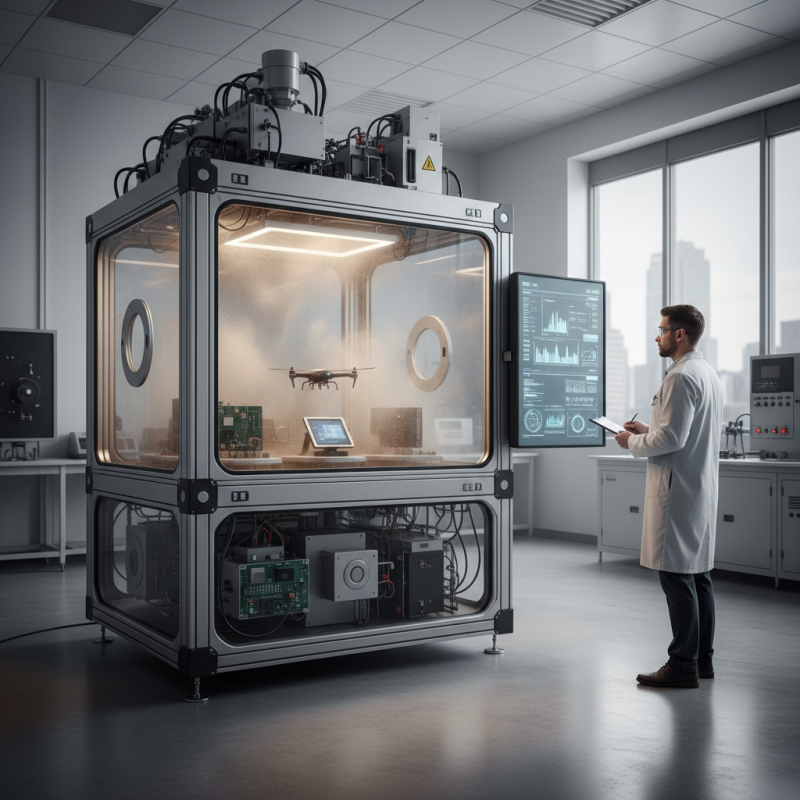
Dust test chambers play a crucial role in various industries. They simulate real-world conditions to evaluate how products withstand dust exposure. This testing is vital for ensuring product reliability and durability. Industries such as automotive, electronics, and aerospace rely on these chambers for quality assurance.
The significance of dust test chambers extends beyond simple testing. They help identify potential weaknesses in products before they reach consumers. This can prevent costly recalls and safety issues. When selecting a dust test chamber, it's essential to consider factors like chamber size and dust type. Understanding these details improves testing accuracy and results.
Choosing the wrong chamber can lead to misleading data. Sometimes, labs overlook critical specifications. This oversight may compromise the testing's reliability. A lack of proper knowledge can also influence decisions. Seeking expert advice can enhance understanding and improve outcomes. The right dust test chamber is a vital investment for any serious manufacturer.
When selecting a dust test chamber, various factors come into play. The size and capacity of the chamber are crucial. A larger chamber can accommodate bigger samples but may require more space and energy. Consider the specific testing standards relevant to your industry. Ensure the chamber can meet these standards effectively, as non-compliance could lead to inaccurate results.
Temperature control is another key aspect. Dust test chambers often experience fluctuations in temperature during tests. A reliable temperature regulation system is essential to maintain consistent testing conditions. Dust generation methods vary too. Some chambers use mechanical vibration, while others apply a blowing system. Explore which method suits your needs best.
It's essential to assess the durability and maintenance requirements of the chamber. Regular maintenance can be cumbersome but is necessary for accurate testing. Read user testimonials or seek advice from industry experts. This can provide insight into the chamber's long-term performance. Often, prospective users overlook this information, which might lead to future inconveniences. Making an informed decision is vital for successful testing outcomes.
| Feature | Description | Importance Level |
|---|---|---|
| Chamber Size | Determine the sample size you need to test. | High |
| Dust Volume | Check the volume of dust the chamber can hold. | Medium |
| Test Standards | Ensure the chamber meets industry standards (e.g., IEC, ASTM) | High |
| Temperature Control | Ability to control temperature during tests. | Medium |
| Ease of Use | User-friendly interface and controls. | High |
| Maintenance Requirements | Evaluate how easy it is to maintain and service the chamber. | Medium |
| Safety Features | Look for safety measures like emergency shut-off. | High |
| Warranty and Support | Check warranty length and available customer support. | Medium |
Dust test chambers come in various types, each designed for specific applications. The most common types include
sand and dust test chambers, which simulate dusty environments. These chambers often meet military or industrial standards.
They are essential for testing equipment and components exposed to dust in real-world conditions. This type typically features adjustable airflow
and dust concentration levels.
Another type is the environmental test chamber, which can replicate extreme conditions. These chambers test products against
dust, temperature, and humidity. The combination ensures that items survive harsh outdoor conditions.
Users should consider the control features available in these chambers. Effective control allows for realistic and repeatable testing
scenarios.
Selecting the right chamber can be challenging. Some features might seem unnecessary at first glance. It's important to evaluate
which features truly benefit your testing needs. The calibration process can be complex and requires expertise. Consider seeking
professional guidance when making your choice. Ensure you select a chamber that aligns with your testing specifications.
When selecting a dust test chamber, size and capacity are critical factors. The right chamber must accommodate your samples comfortably. Too small a space can lead to ineffective testing. You may need to evaluate the dimensions based on the items you plan to test. Consider both the height and width when making your decision.
It's also essential to assess the volume of dust you expect to test. The chamber should hold a sufficient amount of dust without overflow. A larger capacity can provide more versatile testing options. However, if the chamber is too large, it may lead to inefficient dust distribution. Achieving the right balance is vital for reliable results.
Reflect on your current and future needs. Will your testing requirements change over time? An adaptable chamber might be a thoughtful choice. While larger chambers offer flexibility, they can be more challenging to manage. Careful planning can help you choose wisely, balancing space, capacity, and usability.
When selecting a dust test chamber, budget considerations are crucial. Determine how much you can allocate for this equipment. The price range can vary significantly depending on size, features, and technology. A lower price tag might tempt you, but consider long-term costs. Cheaper options may have limited functionality or durability, leading to higher maintenance costs.
Evaluate the chamber’s efficiency and reliability. Look for models that provide consistent results across various conditions. Understand your testing needs and select a chamber that meets them without unnecessary features. While it can be tempting to opt for a complex system, simplicity often proves more cost-effective.
Another aspect is warranty and support. A reasonable warranty reflects the manufacturer's confidence in their product. It’s essential for ensuring reliability in your testing processes. The initial savings on cheaper models can be misleading. Are you ready for potential failures and additional expenses? Spend time researching and comparing options. Be prepared to invest wisely for the best outcomes.
: Consider size, capacity, and specific testing standards for your industry.
Consistent temperature ensures accurate test results, avoiding fluctuations during testing.
Common methods include mechanical vibration and blowing systems. Choose what fits your needs.
Look for user testimonials and expert advice regarding long-term performance and maintenance.
Analyze the price range, functions, and potential long-term costs. Don’t rush decision-making.
Cheaper options may lack durability and features, leading to more expenses over time.
A good warranty indicates product confidence and ensures reliability in testing processes.
Often, simpler systems are more cost-effective and meet testing needs without unnecessary features.
Regular maintenance is crucial for accuracy but can be cumbersome. Reflect on this before choosing.
Research, compare options, and consider both immediate and long-term needs before purchasing.
A Dust Test Chamber is an essential tool for industries that require testing the resilience and performance of products against dust exposure. Understanding the importance of these chambers helps organizations ensure compliance with industry standards and improve product durability. When selecting a Dust Test Chamber, key factors to consider include the specific use cases, the types available, and the size and capacity that meet your operational needs.
Additionally, budget considerations play a crucial role in the decision-making process. Evaluating the cost-effectiveness of different models can help companies make informed choices while maximizing their investment. By carefully assessing these elements, businesses can choose the best Dust Test Chamber tailored to their requirements, enhancing product reliability and safety.
