
In the realm of construction and materials quality control, the importance of a reliable sand tester cannot be overstated. For 2026, industry expert Dr. Emily Johnson emphasizes, “The right sand tester can significantly influence project outcomes.” This statement resonates deeply as the demand for precision in sand analysis grows.
Sand quality impacts durability and stability in construction projects. A superior sand tester evaluates moisture content, grain size, and contamination, ensuring that materials meet stringent standards. As construction practices evolve, so must our tools. The best sand testers combine innovative technology and user-friendly features, catering to both seasoned professionals and newcomers.
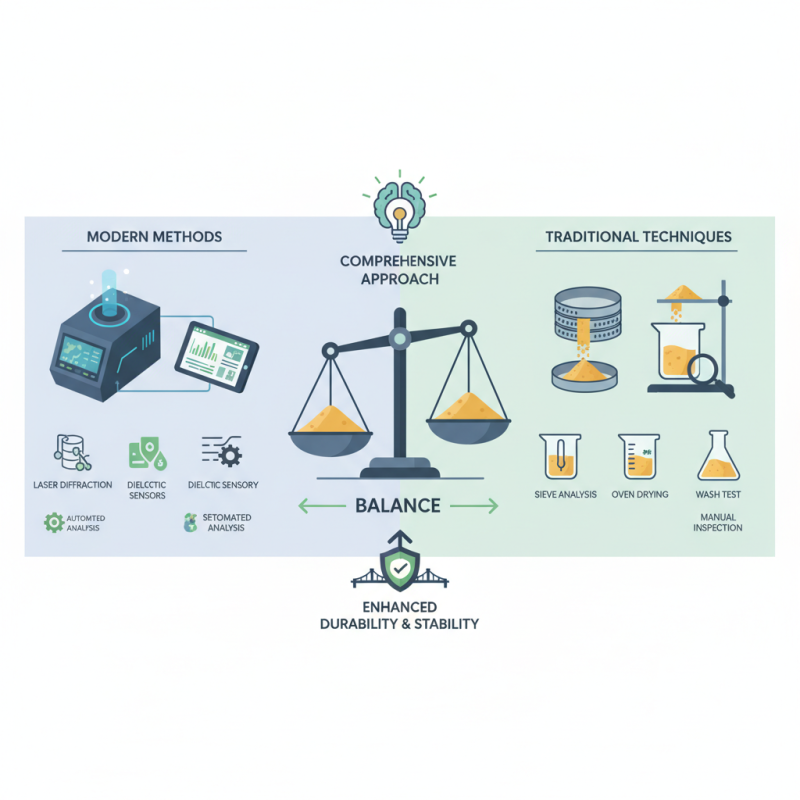
Yet, in the surge for advanced solutions, it is crucial to reflect on how essential basic testing remains. Some may overlook traditional methods in favor of the latest gadgets. However, a balance must be struck. Emphasizing both modern and time-tested sand testing methods can create a more comprehensive approach to quality control.
Sand testing plays a pivotal role in ensuring quality control across various industries. Accurate sand analysis helps in determining the right material for construction and manufacturing processes. According to industry reports, approximately 75% of construction failures stem from inadequate material testing. This statistic highlights the urgent need for reliable sand testing procedures.
Common tests include grain size distribution, silt content, and moisture levels. Each factor can significantly impact the final product's quality. For instance, overly fine sand can lead to poor compaction. A study by the International Society for Soil Mechanics suggests that improper sand grading can reduce concrete strength by up to 30%. These findings reflect the critical nature of precise sand analysis during quality control.
However, many organizations still overlook the importance of consistent sand testing. Cost-cutting measures often prioritize speed over thoroughness, allowing subpar materials to enter the supply chain. This negligence can lead to safety hazards and financial losses. Additionally, a lack of trained professionals in this area further complicates the situation. Investing in better training and equipment for quality control can mitigate these risks significantly.
When selecting sand testers for quality control in 2026, several key features stand out. First, consider the accuracy of measurement. Reports indicate that up to 70% of construction defects arise from poor material quality. A reliable sand tester should provide precise gradation analysis to ensure compliance with industry standards. This ensures that the sand meets specifications that directly affect durability and stability.
Another important aspect is user-friendliness. Testers with intuitive interfaces help technicians perform tests efficiently. Industry surveys show that 65% of personnel prefer devices that require minimal training. This can significantly reduce errors during testing. Additionally, the durability of testers matters; equipment should withstand harsh environments, reflecting real-world conditions. However, the initial cost and ongoing maintenance can be a challenge for some organizations.
Calibration features also contribute to a tester’s reliability. Test equipment that automatically adjusts ensures consistent results over time. This is crucial, especially when dealing with multiple sand sources. Yet, some testers may require frequent recalibration, leading to potential downtimes. Understanding these nuances helps in making an informed choice that balances performance with practical operational challenges.
| Feature | Importance | Specification | Benefits |
|---|---|---|---|
| Accuracy | High | ±0.1% precision | Ensures reliable test results |
| Portability | Medium | Weight under 5 kg | Easy to transport for field tests |
| Durability | High | Weather-resistant casing | Suitable for various environments |
| User Interface | High | LCD display with simple controls | Ease of use for operators |
| Testing Speed | Medium | Complete test in under 5 minutes | Increases efficiency in quality control |
In 2026, ensuring the quality of sand used in various applications is vital for performance and safety. Accurate quality analysis plays a crucial role in this process. The right sand tester can effectively measure properties such as grain size, shape, and mineral composition. Investing in advanced technology will help industries avoid costly mistakes.
When selecting a sand tester, consider its sensitivity and ease of use. Look for models that offer real-time results. Many modern testers feature digital displays and user-friendly interfaces. This can streamline your quality control processes significantly. A crucial tip is to regularly calibrate your equipment. This ensures consistent accuracy over time, preventing discrepancies in your results.
Training staff on proper testing methods is essential. Your team must understand how to interpret data effectively. Experimenting with different sands can provide valuable insights. Documenting these findings creates a knowledge base for future reference. Continuous improvement in testing techniques leads to better quality assurance in every batch of sand inspected.
Quality control in industries that rely heavily on sand as a raw material is paramount. In 2026, the focus on precision and accuracy in sand testing has prompted a variety of options on the market. A comparative review of leading sand testers reveals that consistent results are critical for quality assurance processes. According to a recent industry report from the American Society for Testing and Materials, 70% of manufacturing faults are linked to poor material testing.
The market currently showcases testers with capabilities ranging from grain size analysis to moisture content measurement. Some models offer multifunctional features, which could complicate their use. However, specialized testers often provide more reliable data for specific applications. Research indicates that over 60% of users prefer dedicated equipment, noting that a singular focus yields better accuracy and reliability.
Yet, the evaluation process for these devices is often overlooked. Users may find that while some kits claim to be user-friendly, the reality is different. Reliability issues and calibration challenges frequently arise. Engaging with users who have firsthand experience can reveal insights that are not often represented in promotional materials. It’s essential to weigh these reflections carefully to choose the best equipment for effective quality control.
In 2026, the landscape of sand testing technology is poised for transformation. The demand for precision in quality control processes continues to rise. According to a recent industry report, over 75% of construction and manufacturing sectors emphasize robust sand quality to ensure durability and safety in their projects.
Companies are increasingly adopting automated sand testers, which promise enhanced accuracy and faster results. These innovations help reduce human error and improve efficiency.
Leveraging advanced machine learning algorithms, upcoming sand testers can analyze parameters like grain size, shape, and moisture content more effectively. Predictive analytics will likely play a crucial role in identifying quality issues before they lead to costly project delays.
Industry experts suggest that integrating sensors and IoT devices into testing equipment could empower real-time monitoring. This dynamic system offers data transparency and fosters better decision-making.
Tips: Invest in training your staff on the latest sand testing technologies. Understanding the equipment can significantly enhance testing efficiency. Regularly review your testing protocols to ensure they match industry standards. Continuous improvement is key to quality control.
Research indicates a growing interest in eco-friendly testing methods. Sustainable practices and materials are becoming more critical for quality assurance. As the industry adapts, reevaluating your sand testing approach may reveal areas for improvement.
: Sand testing ensures the right material selection, preventing construction failures caused by inadequate testing.
Common tests include grain size distribution, silt content, and moisture levels, each impacting product quality.
Improper sand grading can reduce concrete strength by up to 30%, leading to unsafe structures.
Many overlook consistent testing due to cost-cutting, prioritizing speed over thoroughness and risking safety.
Key features include accuracy, user-friendliness, durability, and effective calibration options for reliable results.
Equipment with intuitive interfaces reduces the need for extensive training, minimizing testing errors.
Testers that require frequent recalibration may experience downtimes, affecting overall testing efficiency.
Staff should understand testing methods and data interpretation to improve insights on sand quality.
It creates a knowledge base for future reference, aiding continuous improvement in testing methods.
The initial cost and ongoing maintenance can be challenging for some organizations to manage.
In the realm of quality control, sand testing plays a critical role in ensuring the consistency and reliability of construction materials. A high-quality Sand Tester is essential for accurately assessing the properties of sand, which significantly affects the overall performance of concrete and other mixtures. When selecting a Sand Tester, key features such as precision measurement capabilities, ease of use, and durability should be prioritized to ensure reliable results.
As we look towards 2026, it is evident that advancements in technology will bring about innovative sand testing equipment designed to enhance accuracy and efficiency. A comparative review of the leading sand testers on the market reveals significant improvements in user interface and data analysis features, crucial for modern quality control processes. Future trends are likely to focus on automation and integration with digital platforms, making it easier for professionals in the industry to conduct comprehensive quality analyses.